




What if true leadership isn’t about external victories—wealth, titles, or conquest—but about mastering oneself through inner discipline? Drawing inspiration from Marcus Aurelius, the philosopher-king who governed an empire while cultivating resilience, patience, and virtue, this work reveals that lasting power begins within. Ancient Stoic principles remind us that external chaos cannot shake a leader rooted in self-control and moral clarity. Yet, in a world obsessed with fleeting achievements, how many recognize that genuine strength is built through daily practices of reflection, patience, and humility? This exploration challenges conventional notions of success, emphasizing that true influence arises from an unshakable inner empire—an enduring foundation of inner resilience that sustains us through life’s storms. By understanding and embracing inner discipline, leaders can forge a legacy rooted in authenticity, inspiring trust and loyalty far beyond superficial accomplishments.
Inner Discipline as the True Source of Leadership Power
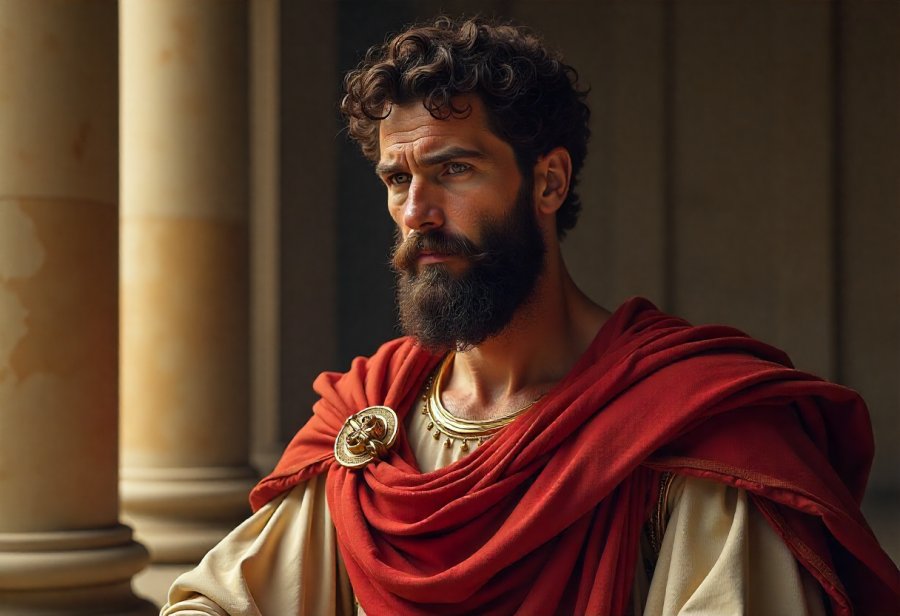
Leadership is often associated with outward signs of power—military victories, wealth, and status. We admire those who conquer lands or rack up impressive achievements, but these successes can sometimes mask what truly sustains lasting influence. What if genuine strength isn’t about external dominance but about the inner qualities that shape who we are? This question challenges the traditional view of leadership and points us toward a different kind of power—one rooted in self-mastery and resilience.
Marcus Aurelius exemplifies this idea perfectly. As a Roman emperor, he faced relentless crises: wars, plagues, political upheaval. Yet behind the robes was a man committed to inner discipline, guided by Stoic philosophy. His personal writings, Meditations, reveal a focus on virtue, patience, and self-control—qualities that allowed him to navigate chaos with calm and clarity. His strength didn’t depend solely on military might or political influence but on his ability to govern his own thoughts and emotions.
This perspective prompts a deeper question: can true leadership flourish without external accomplishments? The answer is yes, because real power begins from within. External conquest might bring fleeting fame, but inner discipline creates a foundation that endures through life’s storms. Leaders who cultivate resilience, wisdom, and moral clarity develop a strength that remains unshaken regardless of circumstances. Such inner power often inspires others more deeply than superficial displays of success.
Marcus Aurelius’s life reminds us that the greatest leadership starts inward. Despite the turmoil of his reign, he maintained a steady mind and moral compass. His reflections show that self-mastery—controlling desires, managing impulses, practicing patience—is the true source of authority. His example encourages us to see that the most enduring empire we can build is within ourselves. Inner discipline becomes the bedrock of authentic leadership, capable of weathering any storm.
In a culture obsessed with external achievements, this idea can seem counterintuitive. Yet, history shows that those who focus on inner virtues—resilience, humility, wisdom—are more likely to leave a lasting legacy. External success may fade, but inner strength forms a durable foundation that supports us through setbacks and uncertainties. Marcus Aurelius’s life underscores that genuine leadership begins with governing oneself, especially in times of crisis, rather than seeking external validation.
Ancient Wisdom: Stoicism and the Art of Self-Mastery
Ancient philosophies, particularly Stoicism, have long championed the idea that true strength resides within. Thinkers like Zeno, Seneca, and Epictetus emphasized that while external events are often beyond our control, our responses to them are entirely within our power. This shift from trying to influence the world to mastering oneself has been a core principle for centuries, shaping ideas of inner discipline as the true source of power.
Stoicism teaches that emotions such as anger, fear, or envy aren’t inherently bad; they become problematic only when we allow them to control us. The goal is not to suppress these feelings but to observe them objectively, maintaining a calm, rational mind. Marcus Aurelius exemplified this mindset through his writings—reminding himself to stay centered regardless of external chaos. For leaders, this inner calm isn’t a sign of weakness but a wellspring of strength that enables clear, thoughtful decisions under pressure.
The core idea is simple: external events are often outside our influence, but our reactions are fully within our control. Practicing self-restraint and virtue allows leaders to remain morally grounded amid turmoil. Inner resilience acts like a shield, preventing impulsive reactions driven by passion or fear. This focus on controlling what we can influence—our thoughts and actions—fosters a form of strength that endures beyond fleeting external gains.
Throughout history, figures who embraced these principles cultivated a resilience that couldn’t be easily shaken. Leaders and philosophers who prioritized inner virtues like wisdom, patience, and humility found their influence lasting long after superficial victories faded. Marcus Aurelius’s life demonstrates how inner discipline enabled him to govern with dignity, even in times of relentless crisis. His reflections reveal that self-control is the foundation of true authority—one built on moral clarity rather than external power.
Today, the relevance of developing inner discipline remains undeniable. Practices like daily reflection, mindfulness, and setting clear intentions help strengthen this inner core. These habits foster resilience and calm, equipping us to respond thoughtfully rather than react impulsively. Over time, this inner strength becomes second nature, empowering us to handle life’s challenges with clarity and purpose.
The ancient Stoics provided a timeless blueprint: genuine power is an internal quality—an unwavering ability to govern ourselves amidst chaos. When leaders focus on mastering their minds and emotions, they cultivate a resilience that withstands external upheavals and elevates their moral character. This inner discipline isn’t just philosophical; it’s a practical path to authentic strength and lasting influence.
Challenging External Success: Why Virtue Outlasts Superficial Triumphs
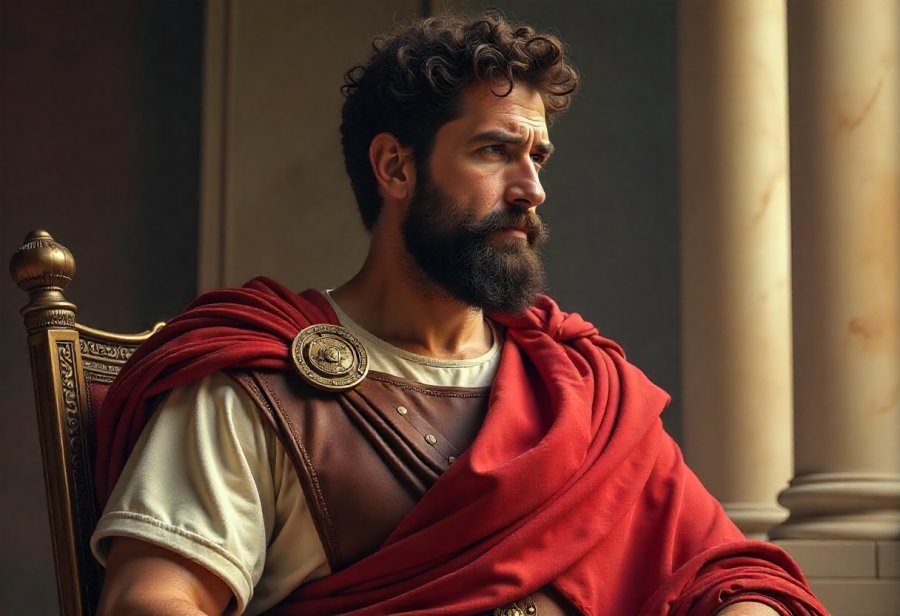
While society often celebrates external achievements—wealth, titles, visible success—this focus can obscure the true foundation of strength. It’s easy to admire those who conquer lands or amass fortunes, but these accomplishments can rest on fragile ground. Critics argue that emphasizing inner virtues like discipline and humility may seem outdated in a world obsessed with quick results and flashy displays of power. Yet, history repeatedly shows that relying solely on external wins is risky and often fleeting. Leaders driven by external conquest may achieve temporary fame but risk moral decline, burnout, or irrelevance when challenges arise.
Chasing trophies like medals or territorial gains encourages a superficial approach, prioritizing recognition over integrity. When the goal becomes to dominate rivals or expand influence at any cost, it’s tempting to dismiss the importance of virtues such as patience, humility, and moral clarity. This pursuit creates a fragile self-image, heavily dependent on external validation. If those external markers falter, the entire edifice can collapse, leaving leaders exposed and vulnerable. Relying solely on external success can lead to moral compromise and a loss of trust, undermining long-term stability.
Many still see external success as the ultimate measure of strength, valuing fame, wealth, and titles as symbols of capability. From this perspective, inner virtues might seem secondary or even unnecessary. However, ignoring the costs of this mindset reveals its flaws: external achievements are easy to showcase but often mask internal weaknesses. When leaders prioritize appearances over substance, they risk moral decay and reckless decisions. History is full of rulers whose mighty empires crumbled because they lacked inner resilience—power built without virtue is inherently unstable.
Today’s leadership models are gradually shifting to recognize the importance of inner virtues like emotional intelligence, resilience, and humility. These qualities foster trust, loyalty, and long-term stability—elements that external accomplishments alone rarely provide. Leaders who focus on cultivating inner discipline become more authentic and trustworthy, especially in difficult times. This shift underscores a vital truth: lasting influence depends on internal strength, not just superficial success.
Neglecting inner discipline can have dire consequences. Without a moral foundation, external power often leads to corruption, reckless decisions, and moral decay. The downfall of many rulers demonstrates that external victories, when not grounded in inner virtues, are fragile and short-lived. Superficial success may impress temporarily, but true resilience and moral clarity are what sustain a leader through adversity. Developing inner discipline ensures that external achievements are supported by a stable, enduring inner core—one that withstands the tests of time and chaos.
Cultivating Inner Strength: Practical Ways to Lead with Resilience
Inner discipline shapes not just decisions but also how leaders carry themselves every day. When a leader cultivates self-control and clarity, they naturally inspire confidence in their team. This calm isn’t about suppressing emotions; it’s about managing them so reactions are thoughtful rather than impulsive. Regular practices like journaling, meditation, or setting daily intentions create a mental space that allows for purposeful responses. Over time, these habits build resilience, helping leaders stay steady amid chaos and uncertainty.
In practice, developing inner discipline involves routines that reinforce focus and emotional strength. Starting the day with a moment of quiet reflection or a clear intention aligns actions with core values. These small habits accumulate, creating a mental buffer that makes it easier to respond with clarity rather than react out of stress or frustration. As this becomes second nature, leaders develop a resilient mindset that keeps them grounded even when circumstances are challenging.
In the workplace, leaders who embody inner discipline foster a culture rooted in trust and stability. When conflicts are approached with patience and fairness, it encourages others to act with integrity. Employees tend to mirror this calm resilience, which strengthens team cohesion and promotes long-term stability. Such leaders are less prone to reckless decisions driven by ego or fear, instead guiding their teams toward solutions rooted in virtue and shared purpose.
Inner discipline also benefits personal life by helping individuals manage setbacks without losing their sense of direction. Pausing before reacting reduces impulsiveness and emotional reactivity, which improves relationships and mental well-being. Cultivating a steady approach fosters a deeper sense of fulfillment, as actions align more closely with long-term values rather than fleeting impulses. This inner strength becomes a foundation for a more balanced, meaningful life.
Patience and gratitude are vital components of inner discipline. When faced with frustration or disappointment, taking a moment to appreciate what remains good shifts perspective and prevents destructive reactions. Over time, this attitude builds emotional resilience, making it easier to stay focused on what truly matters. Leaders who practice these habits project calm confidence that others naturally follow, reinforcing their inner strength.
Consistent, small choices—such as remaining mindful during stressful moments, choosing humility over arrogance, or practicing patience—accumulate into a resilient mindset. This ongoing effort for self-awareness and virtue creates a well of inner strength capable of weathering any storm. As it deepens, it supports moral clarity and purpose, enabling leaders to act with integrity and consistency in all situations.
By embodying patience, humility, and resilience daily, leaders set a powerful example that extends beyond words. This authentic demonstration of inner discipline builds trust, loyalty, and inspiration. Their steady presence during crises reassures others, proving that true influence comes from within. Developing this inner resilience isn’t about grand gestures but about small, deliberate acts that forge a lasting foundation of strength and virtue.
The Inner Empire: Building a Lasting Legacy from Within
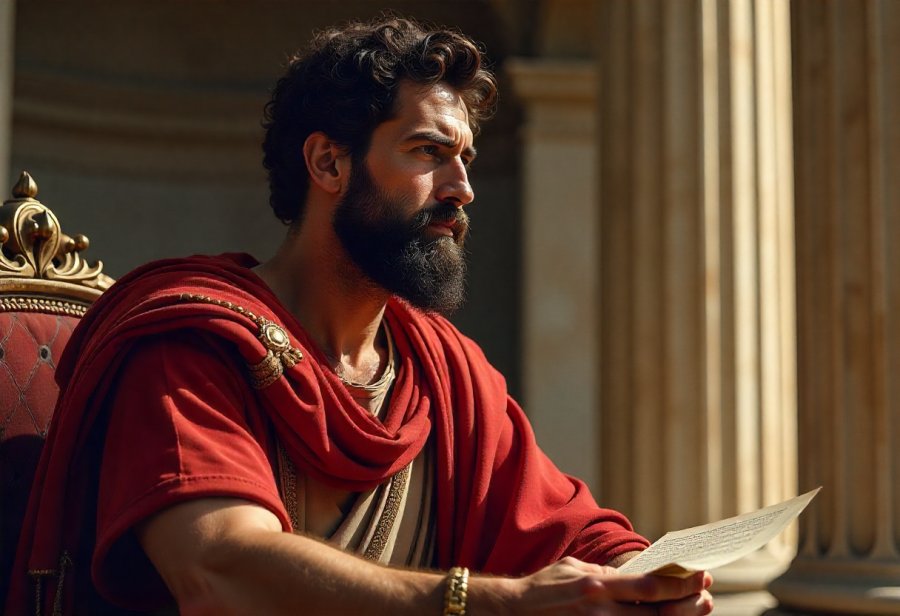
True leadership isn’t measured by titles, wealth, or external victories. It’s rooted in the strength we nurture within ourselves. Marcus Aurelius reminds us that the most enduring power comes from self-mastery—cultivating wisdom, patience, and resilience. When we focus on developing these virtues, we build an inner empire that no chaos or challenge can topple. This inner strength becomes the foundation of authentic leadership, guiding us through setbacks and uncertainties with calm confidence.
Leaders who prioritize inner discipline create a stable core that sustains them in difficult times. It’s about governing our thoughts and emotions, knowing when to act and when to pause. This self-control isn’t suppression but mastery—an awareness that allows decisions rooted in virtue rather than impulses driven by ego or fear. Such leaders inspire trust and loyalty because their actions reflect a deep moral clarity, especially when the stakes are high. Their influence endures because it’s built on something much stronger than external applause.
Building this inner strength isn’t about grand gestures; it’s about daily choices—pausing before reacting, practicing patience, and aligning actions with core values. These small, consistent acts forge a resilient mindset capable of weathering any storm. Over time, this inner discipline becomes second nature, supporting a steady presence that reassures others and sets a powerful example. The true legacy of a leader lies in this inner empire—an unwavering foundation that sustains influence far beyond fleeting achievements.
When we govern ourselves with discipline and virtue, we create a legacy rooted in integrity. External accomplishments may fade or be forgotten, but inner virtues leave a lasting mark. Cultivating humility, resilience, and moral clarity transforms our leadership from superficial to authentic. It’s this inner empire that withstands the tests of time, inspiring others to follow and trust in a leadership that’s grounded in true strength.
In the end, the greatest leaders are those who master their own minds and hearts first. They understand that real greatness begins within. By building an inner empire—one of wisdom, patience, and moral resilience—we forge a power that’s unshakeable. This internal strength is what truly elevates us, ensuring our influence endures long after external fame has faded. It’s within this inner realm that lasting leadership is born, shining brightest when the world around us is most uncertain.