




The Ford Mustang is more than just a muscle car—it’s an enduring symbol of American freedom, rebellion, and innovation. Since its debut in 1964, it has captured the imagination of generations, blending sleek design with raw performance and cultural significance. From its origins as an affordable way for young Americans to express independence to its evolution through various eras, the Mustang embodies resilience and adaptability. Its legendary status is cemented through iconic appearances in movies, music, and pop culture, inspiring a passionate global community. As Ford looks to the future, the Mustang is poised to embrace electrification and advanced technology, balancing heritage with sustainability. This ongoing evolution promises to keep the spirit of raw power alive while meeting modern demands. What makes the Mustang a timeless legend? It’s the perfect intersection of bold design, cultural influence, and relentless innovation—an icon that continues to thrill and inspire new generations.
Uncover the Iconic Spirit of the Ford Mustang: A Journey Through American Culture
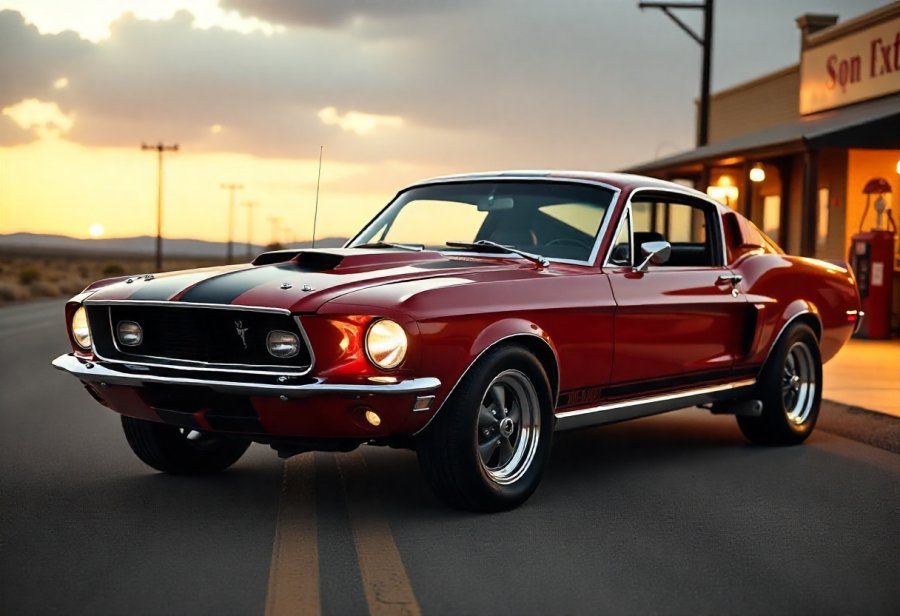
The Ford Mustang isn’t just a car; it’s an icon that has come to define American automotive culture. Since its debut in 1964, the Mustang has stood for more than speed and style—it embodies the ideals of freedom, independence, and rebellion that many associate with the American spirit. Its distinctive design, characterized by a long hood and sporty stance, instantly signals power and performance, making it a recognizable symbol across generations.
What truly sets the Mustang apart is its ability to connect emotionally with drivers. From the very beginning, it appealed to young people seeking an affordable yet exhilarating way to express themselves. Ford’s vision was to create a vehicle that combined sporty performance with practicality, and that idea struck a chord with a broad audience. The result was a car that became more than just transportation—it became a cultural phenomenon and a symbol of pushing boundaries.
Over the decades, the Mustang has evolved in response to changing tastes and technological advances, but it has never strayed from its core identity. Each generation reflects the style and innovations of its era, from the muscle-car boom of the 1960s to modern models blending classic design with cutting-edge features. Despite these updates, the spirit of raw power and freedom remains at the heart of every Mustang.
Its significance extends beyond aesthetics and engineering. The Mustang has appeared in countless movies, songs, and pop culture moments, cementing its role as a symbol of American resilience and ingenuity. It embodies a desire to break free from convention and carve out one’s own path—values that resonate deeply within the national consciousness. This cultural presence has helped ensure its continued relevance and admiration.
Understanding the Mustang’s place in history helps explain why it continues to inspire passion today. It’s a product of its time, yet it remains timeless in its appeal. Its legacy is built on bold design, performance prowess, and cultural influence, making it more than just a car—it’s a living emblem of American freedom and adventure.
Exploring its origins and enduring appeal reveals a story of innovation, rebellion, and identity. The Mustang’s journey from a revolutionary idea to a symbol that transcends automotive boundaries highlights why it remains a true American legend. It’s a car that, decades later, still captures the imagination and spirit of generations eager to embrace the open road.
Tracing the Evolution of the Mustang: Milestones and Transformations Over Decades
The story of the Ford Mustang begins in the early 1960s, when Ford set out to create a new kind of American muscle car—one that combined sporty aesthetics with affordability. The goal was to appeal especially to young drivers eager to showcase their independence and rebellious spirit. When the Mustang was launched in 1964, it was an immediate hit, capturing attention with its sleek, aggressive design and a range of performance options. Ford had struck a nerve, tapping into a cultural desire for freedom, adventure, and self-expression on four wheels.
The first-generation Mustang quickly became a symbol of youthful rebellion. Its long hood, short rear deck, and versatile styling made it stand out in a crowded market. Ford’s emphasis on customization—offering various trims, colors, and performance packages—allowed drivers to craft a car that reflected their personality. Sales soared, and the Mustang’s reputation as an accessible yet exhilarating vehicle was cemented, turning it into a cultural icon almost overnight.
As the 1960s progressed, the Mustang evolved to keep pace with shifting tastes and technological progress. The second-generation models adopted a more muscular appearance, with bigger engines and a more aggressive stance. During this period, high-performance variants like the Shelby GT350 and GT500 emerged, elevating the Mustang’s reputation from a fun car to a serious muscle machine. These models gained fame through racing, movies, and pop culture, further fueling their legendary status.
The 1980s and 1990s brought a softer, more aerodynamic look, aiming for broader appeal amid rising fuel economy concerns. Ford introduced turbocharged four-cylinder engines alongside traditional V8s, blending efficiency with performance. Despite these shifts, the Mustang remained true to its roots—an accessible, performance-oriented car that appealed to both enthusiasts and everyday drivers. Each new generation responded to societal changes while preserving the core spirit of power and freedom.
In the 2000s, Ford revisited the Mustang’s roots with a bold redesign that paid homage to its classic predecessors. The fifth-generation, launched in 2005, featured retro styling cues like the long hood and fastback profile, combined with modern performance technology. This revival appealed to nostalgic fans and newcomers alike, blending tradition with innovation. The inclusion of powerful V8 engines and advanced handling kept the Mustang relevant in a competitive market.
Today, the Mustang continues to adapt, integrating new technologies and embracing sustainability without losing its iconic look. Hybrid and electric variants are on the horizon, promising the same exhilarating performance with a greener footprint. Lightweight materials and modern manufacturing techniques help maintain its high-performance standards, even as Ford explores the future of mobility. This ongoing evolution ensures the Mustang remains a symbol of American muscle, resilience, and innovation, always looking forward while honoring its rich past.
The Mustang as an American Symbol: Embodying Freedom, Rebellion, and Cultural Pride
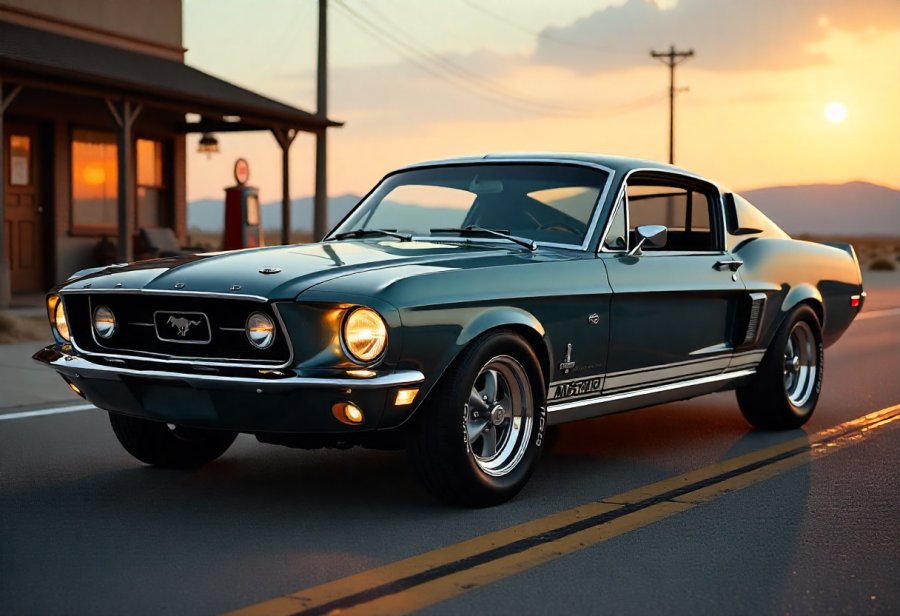
The Ford Mustang has become much more than just a vehicle; it’s a symbol deeply woven into the fabric of American culture. Its striking silhouette, with a long hood and muscular stance, instantly communicates power and style—traits that resonate across generations. This design, combined with its performance, has helped establish the Mustang as an enduring icon that embodies the spirit of freedom and rebellion cherished in the United States.
Over the decades, the Mustang’s presence in movies, music, and media has elevated it beyond automotive circles. From the legendary chase scenes in “Bullitt” to its appearance on album covers and in song lyrics, the car has become synonymous with action, independence, and resilience. It’s a visual shorthand for daring adventure and breaking free from convention, making it a cultural emblem that continues to inspire.
The car’s influence extends into the ideals of American individualism. In the 1960s, it became a symbol of youthful rebellion, offering everyday Americans a way to express their independence through a stylish, accessible machine. Its affordability and customizable options allowed owners to forge personal connections with their Mustangs, turning them into statements of identity and attitude.
Throughout its history, the Mustang has adapted alongside societal shifts, reflecting changing tastes while maintaining its core message of raw power and freedom. Each new generation tells its own story—whether it’s the muscle-car dominance of the 1960s or the modern blend of tradition and innovation—yet the essence remains consistent: a vehicle that encourages pushing boundaries and embracing individuality.
The Mustang’s cultural significance is reinforced by a passionate community of enthusiasts worldwide. Car clubs, restoration projects, and racing events foster a shared sense of pride and belonging. For many, owning a Mustang isn’t just about the car itself; it’s about belonging to a legacy of craftsmanship, rebellion, and American ingenuity that spans generations.
Its role in pop culture further cements its iconic status. Films like “Gone in 60 Seconds” and countless music videos have showcased the Mustang as a symbol of resilience and adventure. These moments keep its legend alive, inspiring new fans and owners to see the car as a timeless expression of American values.
More than just a symbol of speed and style, the Mustang embodies the enduring American dream—an unyielding pursuit of freedom, innovation, and self-expression. It reminds us that pushing limits and carving our own path is at the heart of what it means to be American. In this way, the Mustang remains a powerful cultural icon that continues to inspire, motivate, and define the American spirit.
Real-Life Legacy: How the Mustang Inspires Enthusiasts, Communities, and Personal Stories
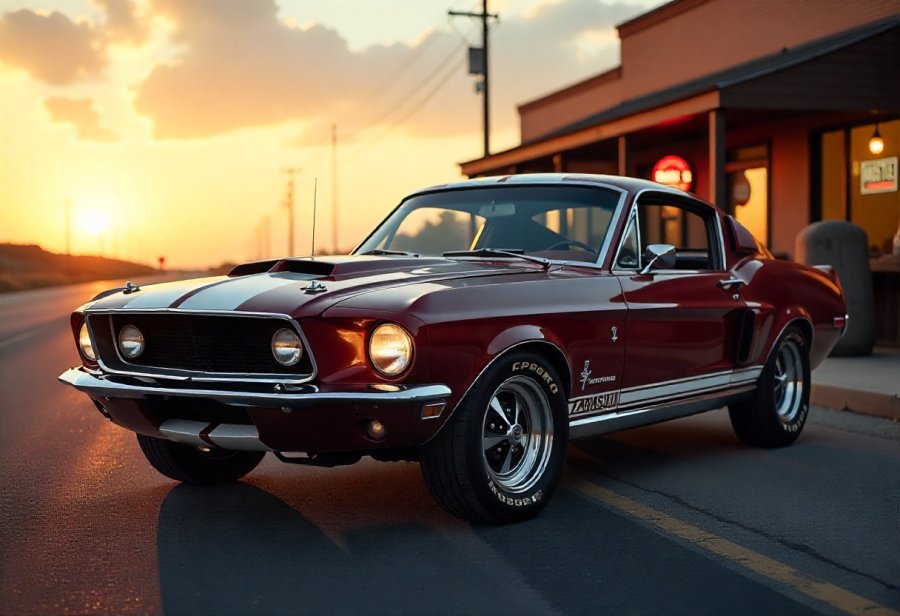
The impact of the Ford Mustang reaches far beyond its striking design and impressive performance; it has deeply influenced the lives of enthusiasts and communities around the world. For many owners, their Mustang is more than just a vehicle—it’s a symbol of personal achievement or a milestone marking a special moment. Take Lisa, for example, who restored a vintage 1967 Fastback as a tribute to her father, a lifelong Ford fan. Every detail, from the cherry-red paint to the roaring engine, brings back memories of weekends spent riding with him, turning a car into a cherished family story.
This emotional connection fuels a vibrant car culture rooted in passion and creativity. Enthusiasts dedicate weekends to upgrading engines, customizing aesthetics, and sharing their work within tight-knit clubs. These gatherings—whether local meetups or racing events—foster camaraderie and a sense of belonging that keeps the Mustang’s legacy alive. Each project, each story shared, adds to a collective pride that spans generations.
In the racing world, the Mustang’s presence has driven innovation and high performance. Its dominance on the track pushed automakers to develop better engine technology and handling, setting new standards for muscle cars. For many owners, their car is a symbol of speed and craftsmanship, connecting them to a long tradition of racing excellence. This competitive spirit continues to inspire ongoing advancements, ensuring the Mustang remains relevant and thrilling.
Pop culture has played a key role in cementing the Mustang’s status as an American icon. From iconic film scenes like “Bullitt” to its appearances on album covers and in lyrics, the car symbolizes action, rebellion, and resilience. These media moments elevate the Mustang beyond a mode of transportation, turning it into a cultural emblem that inspires admiration and aspiration. For owners and fans, it’s a reminder of freedom and adventure on the open road.
Restoring or customizing a Mustang often becomes a rewarding journey that fosters community and shared passion. Car shows, online forums, and local clubs connect enthusiasts across backgrounds, all united by their admiration for this legendary model. Sharing stories, exchanging tips, and showcasing projects strengthen bonds and deepen the car’s cultural significance, creating a legacy of craftsmanship and camaraderie that endures.
Ultimately, the Mustang’s influence shapes identities, inspires innovation, and fosters a sense of belonging that transcends the road. Its presence in personal stories and collective memory keeps the spirit of rebellion and freedom alive. The car is not just a machine; it’s a symbol of American resilience, pushing boundaries and inspiring new generations to chase their dreams with the same boldness Ford envisioned. The Mustang’s real-world impact is a testament to its enduring power as a cultural and automotive legend.
Looking Ahead: Innovating the Future of the Mustang with Technology and Sustainability
The future of the Ford Mustang is set to honor its legendary status while embracing the latest technological advancements. Electric powertrains are at the forefront of this shift, with Ford developing high-performance electric Mustangs that deliver the same adrenaline rush as their traditional counterparts. Instant torque and rapid acceleration promise to redefine what muscle cars can achieve in a more sustainable world, ensuring the Mustang remains relevant in an era focused on eco-friendly innovation.
Alongside electrification, future Mustangs will incorporate smarter, more connected features that enhance everyday driving. Expect to see advanced safety systems, seamless smartphone integration, and even autonomous driving capabilities becoming standard. These innovations aim to make the car not only a symbol of power but also a practical, modern vehicle that adapts to the needs of today’s drivers without losing its iconic charm.
Design-wise, Ford intends to preserve the classic Mustang aesthetic—long hood, sleek fastback profile—while integrating lightweight materials like carbon fiber and aluminum. This approach boosts performance and handling, allowing for more dynamic driving experiences. Customization options will likely expand, giving owners more ways to personalize their cars through digital interfaces and bespoke styling packages, reinforcing the brand’s commitment to individual expression.
Environmental standards and regulatory pressures are reshaping the automotive landscape, making electrification a necessity. Ford’s strategy involves blending traditional V8 power with electric and hybrid technologies, creating a balanced approach that satisfies both performance enthusiasts and sustainability goals. Hybrid models with electric boosts are expected to deliver exhilarating speed while reducing emissions, ensuring the Mustang’s legacy endures amid stricter standards.
Despite these technological innovations, Ford remains dedicated to preserving the Mustang’s core identity. The sound of a roaring engine, the tactile thrill of a manual transmission, and its unmistakable silhouette will continue to define future models. The challenge and opportunity lie in harmonizing tradition with progress, offering drivers modern performance without sacrificing the essence that makes the Mustang iconic.
As the automotive world evolves rapidly, the Mustang’s ongoing transformation highlights Ford’s vision of a future where legacy and innovation coexist. The brand is investing heavily in sustainable mobility, aiming to produce models that excite and inspire while aligning with global environmental commitments. This balance between heritage and forward-thinking design is poised to keep the Mustang at the forefront of automotive innovation.
Future Mustang models will also leverage digital technology to enhance personalization and connectivity. From customizable driving modes to integrated AI systems, owners will have more control and engagement than ever before. These features will cater to a new generation of drivers who seek both performance and smart, intuitive technology in their vehicles.
By blending high-performance electric powertrains with timeless design and cutting-edge features, Ford ensures the Mustang’s story continues to evolve without losing its soul. It remains a symbol of American ingenuity, pushing boundaries while staying true to its roots. The next chapter promises to be as thrilling and revolutionary as the history that has made the Mustang a true automotive legend.