




More than a figure of beauty and romance, Cleopatra VII emerges as a brilliant strategist, diplomat, and scholar who defied Hollywood’s portrayal of her as merely a seductress. Her leadership was rooted in intelligence, cultural diplomacy, and political mastery, enabling her to navigate the turbulent waters of ancient power with finesse. From forging alliances with Julius Caesar and Mark Antony to fostering Egypt’s cultural and scholarly prominence through patronage of the Library of Alexandria, her influence extended beyond mere politics to the realm of ideas. Cleopatra’s legacy challenges modern notions of leadership, emphasizing that true strength often resides in the mind—through adaptability, negotiation, and cultural insight. Could her greatest achievement be her ability to wield soft power and intellect to preserve Egypt’s independence? Her story continues to inspire, illustrating that influence built on wisdom and resilience can shape history as profoundly as force—raising the question: what does it truly mean to be a powerful leader?
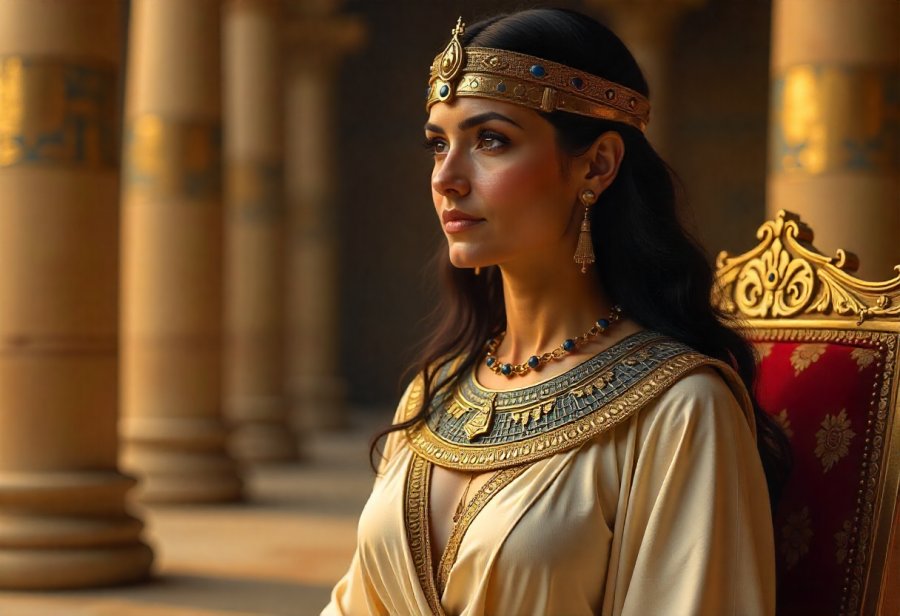
Beyond Beauty: Cleopatra’s Mastery of Politics and Intelligence
Cleopatra VII is often remembered for her beauty and romantic alliances, but beneath those stories lies a much more impressive story of leadership and intelligence. She was not merely a figure of glamour; she was a strategic and sharp-minded ruler who understood the complex political landscape of her time. Cleopatra’s true strength came from her ability to think critically, negotiate skillfully, and use cultural influence to her advantage. Her reign was marked by careful diplomacy, strategic alliances, and a deep understanding of power dynamics—traits that helped her maintain Egypt’s independence amid rising external threats.
Her legacy is often overshadowed by her legendary image, yet her impact was rooted in her intellect and political mastery. Cleopatra was a master negotiator, forging strategic partnerships with powerful figures like Julius Caesar and Mark Antony. These alliances weren’t driven by vanity but by a clear, calculated effort to protect Egypt and secure her position. She knew that influence came from words, gestures, and cultural diplomacy, not just military might, and she wielded these tools with finesse.
Throughout her reign, Cleopatra demonstrated remarkable adaptability. She understood her kingdom’s vulnerabilities and responded with strategic brilliance. Her diplomatic acumen allowed her to turn potential threats into opportunities, often leveraging her scholarly pursuits and cultural influence as sources of strength. She was multilingual, engaging directly with leaders and scholars from diverse backgrounds, which further reinforced her authority. Her leadership was about more than appearances; it was about harnessing knowledge and diplomacy to secure Egypt’s future.
Many admire Cleopatra for her resilience and cleverness, seeing her as a pioneer of female empowerment long before it became a modern concept. Her story reminds us that intelligence, strategic thinking, and cultural savvy are powerful tools that transcend gender. Her ability to balance internal politics with external pressures highlights her exceptional skill at maintaining Egypt’s independence in a challenging world. Her legacy continues to inspire those who believe leadership is rooted in the strength of the mind as much as in authority.
As we explore Cleopatra’s life beyond her mythic image, her true story emerges as one of resilience, intellect, and political finesse. She mastered the art of navigating turbulent times with wit and insight, proving that true power often resides in the mind. Her leadership demonstrates that influence can be quiet yet profound, shaping history through strategic thinking rather than just force. Cleopatra’s example challenges us to see leadership as a blend of intelligence, adaptability, and cultural understanding—qualities that remain relevant today.
Foundations of Power: Cleopatra’s Origins and the Turbulent Political Landscape of Egypt
Cleopatra VII was born around 69 BCE into the Ptolemaic dynasty, a Greek family that took control of Egypt following Alexander the Great’s empire. Her ancestors were Macedonian Greeks who maintained their language, customs, and royal traditions while ruling over a land with a rich, millennia-old history. This blending of Greek and Egyptian cultures shaped her worldview and leadership style, making her a ruler rooted in both Hellenistic and native traditions.
When Cleopatra ascended to the throne around 51 BCE, Egypt was far from stable. Her father, Ptolemy XII, had struggled to manage internal rivalries and external threats, especially from Rome. The kingdom was fractured, vulnerable, and caught in the crossfire of rising imperial ambitions. Cleopatra inherited a fragile state, requiring sharp political instincts to preserve her dynasty and territory amid mounting pressures from neighboring powers.
Her rise to power was anything but straightforward. Initially, she co-ruled with her younger brother Ptolemy XIII, as was customary among her family. But this alliance quickly unraveled into open conflict. Demonstrating her strategic acumen, Cleopatra used her intelligence and diplomatic skills to outmaneuver her rivals, forging a crucial alliance with Julius Caesar. With his support, she was able to reclaim her throne after her brother’s rebellion, solidifying her position as Egypt’s ruler. This alliance marked a turning point, intertwining Egypt’s fate with Rome’s expanding influence.
Throughout her reign, Cleopatra skillfully balanced internal stability with external diplomacy. She was multilingual and deeply familiar with Egyptian customs, which enabled her to connect authentically with her people and foreign dignitaries alike. Her ability to adapt quickly to changing circumstances and leverage her cultural knowledge helped her maintain her authority in a turbulent era. Egypt’s strategic location made it a coveted prize for empire builders, but Cleopatra’s mastery lay in preserving its independence through diplomacy, intelligence, and strategic alliances.
Her life was a testament to resilience and political savvy. Cleopatra’s leadership extended beyond her personal charisma—she was a shrewd ruler who understood the power of soft influence, cultural diplomacy, and well-timed negotiations. Her story is one of navigating a turbulent world with wit and insight, shaping her legacy as a ruler who relied on her mind as much as her reign. This foundation of resilience and strategic thinking set her apart as one of history’s most remarkable female leaders.
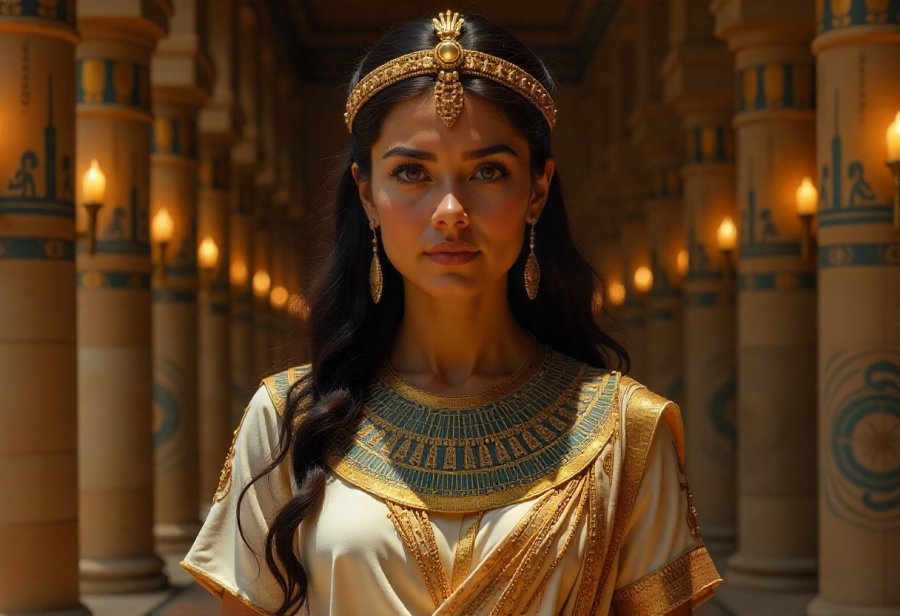
The Art of Leadership: Cleopatra’s Diplomatic Finesse and Strategic Mastery
Cleopatra’s leadership was a masterclass in diplomacy, strategic thinking, and adaptability. She understood that true power relied as much on perception and influence as on military might. With a keen mind, she crafted alliances that served Egypt’s interests, using words, gestures, and symbolism to foster trust and loyalty. Her relationships with Rome’s most influential figures, like Julius Caesar and Mark Antony, were carefully calculated moves designed to protect her kingdom’s sovereignty, not personal vanity.
Her diplomatic finesse extended to internal court politics. Cleopatra navigated rivalries within her family with wit and precision, turning potential threats into opportunities for strengthening her position. Her multilingual abilities and deep understanding of Egyptian customs allowed her to communicate authentically with her subjects and foreign diplomats alike, reinforcing her legitimacy as a ruler rooted in tradition yet open to influence.
Cleopatra’s adaptability was evident in her responses to shifting circumstances. When challenged by her brother Ptolemy XIII or rival claimants, she responded with calculated moves that outflanked her opponents. Her alliances with Caesar and later Mark Antony exemplify her talent for transforming vulnerabilities into sources of strength. She understood that influence was wielded through soft power—cultural diplomacy, intelligence, and persuasive negotiation—tools she used to shape her fate and Egypt’s future.
Her insight into regional politics was sharp. Recognizing Egypt’s strategic importance, she worked tirelessly to maintain its independence amid Rome’s rising dominance. Cleopatra turned threats into opportunities by leveraging her cultural influence and political relationships, often transforming potential invasions into diplomatic victories. Her mastery of soft power allowed her to prolong Egypt’s sovereignty far longer than many expected.
She balanced internal stability with external diplomacy, projecting both scholarly wisdom and regal authority. Her knowledge of science, philosophy, and religion was more than personal enrichment; it was a strategic asset that legitimized her rule and fostered loyalty. By cultivating Alexandria as a hub of learning and cultural exchange, she reinforced her image as a leader who combined intelligence with leadership—traits that continue to define her legacy.
Cleopatra’s leadership was not just about immediate survival but about shaping a lasting influence. Her ability to listen, adapt, and build alliances through cultural and intellectual influence set her apart. Her strategic use of soft power ensured her legacy endured long after her reign, demonstrating that influence rooted in knowledge and relationships can be more powerful than force.
Her example reminds us that effective leadership involves more than commanding armies; it’s about inspiring confidence, fostering loyalty, and navigating complex political waters with finesse. Cleopatra’s mastery of diplomacy and her strategic use of influence exemplify a sophisticated approach to leadership that remains relevant today. Her legacy underscores that true power often resides in the mind, in the capacity to persuade, adapt, and influence across boundaries.
In the end, Cleopatra’s leadership teaches a timeless lesson: influence built on intelligence, cultural understanding, and strategic finesse can preserve independence and shape history. Her ability to maintain Egypt’s sovereignty amid overwhelming odds highlights the power of soft influence—an approach that continues to inspire leaders and scholars alike, reminding us that the most enduring leadership is rooted in wisdom and adaptability.
A Legacy of Wisdom: Cleopatra’s Contributions to Knowledge and Cultural Patronage
Cleopatra’s legacy extends far beyond her political alliances; it is deeply rooted in her contributions to scholarship and her role as a patron of learning. Fluent in multiple languages, including Egyptian, Greek, and Latin, she engaged directly with scholars, diplomats, and thinkers from diverse backgrounds. This linguistic prowess was more than personal achievement—it was a strategic tool that allowed her to foster cultural exchange and intellectual discourse, strengthening her influence both within Egypt and across the Mediterranean world.
Her support of the Library of Alexandria remains one of her most enduring legacies. As a symbol of knowledge and innovation, the library attracted scholars from all corners of the ancient world. Cleopatra’s active patronage helped expand its collections and promote scholarship in fields ranging from philosophy and science to mathematics and literature. Her dedication to learning reflected her belief that wisdom was a vital source of power—one that could legitimize her rule and elevate Egypt’s cultural standing on the global stage.
Beyond her patronage, Cleopatra was personally well-versed in philosophy, astronomy, and mathematics. Her curiosity and scholarly pursuits challenged stereotypes of female rulers as dependent on charm alone. She demonstrated that intellectual rigor could be a cornerstone of leadership, inspiring respect from her contemporaries and setting a precedent for future generations. Her engagement with ideas and ideas-sharing made her a pioneer among female leaders, proving that knowledge is a formidable form of influence.
Supporting the arts and sciences, Cleopatra fostered an environment where learning flourished. Alexandria became a vibrant hub of intellectual activity, serving as a magnet for scholars, scientists, and thinkers. This cultural vibrancy reinforced her image as a ruler who combined political savvy with academic insight. Her strategic investment in knowledge not only strengthened her legitimacy but also helped Egypt maintain its reputation as a center of learning and innovation.
Her role as an intellectual leader was a calculated element of her broader strategy to preserve her kingdom’s independence. She understood that influence rooted in ideas and culture could be as powerful as military might. By nurturing scholarship and promoting cultural exchange, Cleopatra extended her reach beyond mere politics—she became a symbol of enlightenment and wisdom. Her legacy continues to inspire the idea that true power lies in the mind and the pursuit of knowledge.
In the end, Cleopatra’s contributions to scholarship and her patronage of the arts have cemented her as more than a political figure—she is a beacon of intellectual leadership. Her commitment to learning and cultural exchange not only shaped her reign but also laid the groundwork for her enduring influence. Her example reminds us that the most lasting legacies are built on wisdom, curiosity, and the relentless pursuit of understanding, qualities that remain relevant across ages.
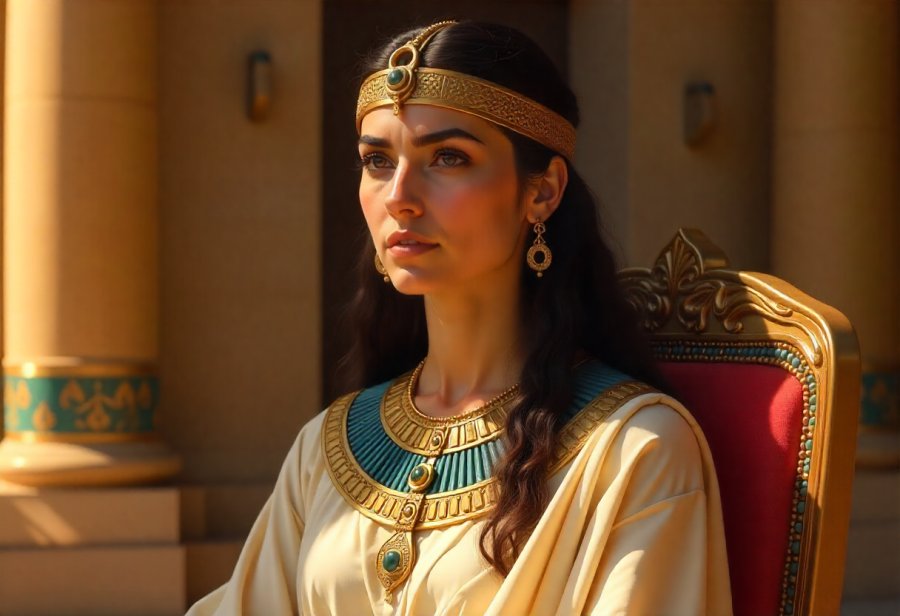
Enduring Influence: How Cleopatra’s Intelligence Continues to Shape Modern Perceptions of Female Power
Cleopatra’s leadership and intelligence continue to shape how we view female power today. Her ability to lead through diplomacy, cultural influence, and strategic thinking defied outdated stereotypes that equate authority solely with physical strength or traditional masculinity. Instead, her story highlights that influence rooted in intellect and soft power can be equally, if not more, formidable in shaping history and politics.
Modern women breaking into traditionally male-dominated fields often look to Cleopatra as a symbol of resilience and strategic mastery. Whether in politics, business, or activism, her example underscores the importance of adaptability, cultural literacy, and building alliances. Her success in maintaining Egypt’s independence amid Rome’s expanding power demonstrates that intelligence and diplomatic skill are vital tools for navigating complex environments.
Society’s evolving understanding of leadership now increasingly values qualities Cleopatra exemplified—empathy, cultural awareness, and negotiation skills. Her mastery in balancing internal stability with external diplomacy redefines what effective leadership looks like for women today. She proves that authority isn’t about conforming to gendered expectations but about wielding influence through knowledge, relationships, and cultural understanding.
Cleopatra’s legacy fuels ongoing conversations about gender and power. Her capacity to operate in a male-dominated world without sacrificing her authority inspires women to pursue leadership roles confidently. Her story affirms that femininity and strength are not mutually exclusive, encouraging a broader, more inclusive view of powerful leadership rooted in strategy and wisdom.
In today’s interconnected world, Cleopatra’s emphasis on soft skills like cultural diplomacy and intellectual engagement remains highly relevant. Her example teaches modern leaders that influence is often built through relationships, shared ideas, and understanding diverse perspectives. Her legacy reminds us that wisdom, resilience, and strategic communication are essential qualities for effective leadership across all spheres.
Her influence extends beyond history into popular culture and academic discourse, where she is celebrated as a symbol of female empowerment rooted in intelligence and strategy. Many contemporary leaders draw inspiration from her ability to adapt, negotiate, and leverage influence—traits she demonstrated long before they gained widespread recognition as key leadership skills.
Cleopatra’s story ultimately challenges the notion that leadership is limited by gender or superficial appearances. Her intelligence and diplomatic finesse continue to inspire new generations to value influence, knowledge, and resilience. She exemplifies that true power lies in the mind—an enduring lesson that leadership rooted in wisdom and cultural understanding can leave a lasting legacy, shaping perceptions of female authority for centuries to come.