Discover how customized telephony solutions are revolutionizing business communication, offering tailored features that enhance efficiency and responsiveness. Grandstream’s advanced IP phones and cloud management platforms like GDMS make deploying, managing, and scaling these systems more accessible than ever before. By analyzing specific workflow needs—whether for sales, support, or remote teams—organizations can create resilient, secure, and seamless communication networks that grow with their business. Future innovations such as AI-driven call routing, IoT integrations, and 5G connectivity promise even smarter, more adaptive systems that anticipate your needs. But as technology evolves rapidly, the challenge remains: how can businesses leverage these cutting-edge tools to not only meet current demands but also future-proof their operations? The answer lies in strategic customization, continuous improvement, and embracing emerging trends—transforming communication from a simple necessity into a powerful competitive advantage.
Transform Your Business Communication with Customized Telephony Solutions
Customized telephony solutions are transforming the way businesses communicate, making interactions more efficient and tailored to specific needs. Instead of relying on one-size-fits-all systems, companies can design communication networks that align perfectly with their workflows, industry demands, and user preferences. This personalized approach reduces miscommunications, speeds up response times, and creates a smoother experience for both employees and customers.
Starting with a clear understanding of what a business truly requires is essential. Analyzing current workflows and identifying pain points helps pinpoint the features that will genuinely improve daily operations. For example, sales teams benefit from quick access to client information and efficient call routing, while support teams need streamlined queues and voicemail options. Focusing on these core needs prevents unnecessary complexity and ensures the system supports your most important tasks.
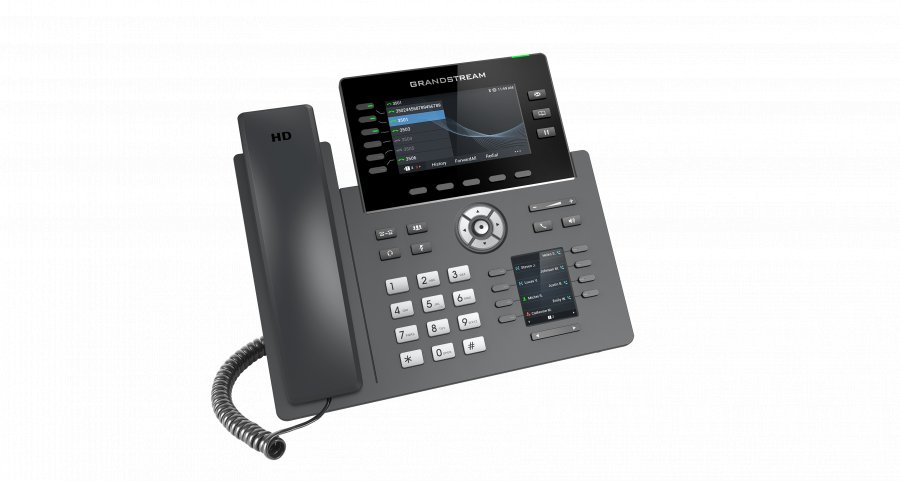
Choosing the right devices and infrastructure follows this initial planning. Grandstream’s IP phones are designed for flexibility, supporting various configurations and easy integration with existing systems. Whether deploying a handful of basic phones or hundreds of advanced endpoints, selecting equipment that matches your scale makes setup smoother. Pairing these devices with a reliable network—using quality routers and switches—ensures high call clarity and system stability, even during busy periods.
Scalability is another key factor. As your business grows, your telephony system should expand seamlessly without causing disruptions. Designing with future growth in mind allows you to add devices, features, or integrations effortlessly. Cloud management platforms like GDMS simplify this process by enabling remote provisioning, updates, and monitoring, so your communication infrastructure can adapt quickly to changing needs.
Security and reliability are vital components of any customized system. Implementing strong passwords, encryption, and regular firmware updates protect against threats and safeguard sensitive data. Backup configurations and failover mechanisms ensure communication remains uninterrupted during network issues or hardware failures. These safeguards build trust and keep your operations running smoothly.
Finally, investing in staff training maximizes the system’s benefits. Providing clear instructions and hands-on experience helps employees confidently utilize features like call routing, auto-attendants, and voicemail. Well-trained staff reduce errors and frustration, allowing your organization to fully leverage its tailored telephony setup. Ongoing review and feedback enable continuous improvement, keeping your communication system aligned with evolving business goals.
Designing Tailored Telephony Systems for Seamless Business Operations
Designing a customized telephony system begins with a clear understanding of what the business needs to accomplish. Instead of diving straight into technical details, assess existing workflows to identify pain points that hinder effective communication. For example, sales teams often prioritize quick access to client information and efficient call routing, while support teams require streamlined queues and voicemail options. Focusing on these core requirements ensures the system supports daily operations without becoming cluttered with unnecessary features.
Once the key needs are mapped out, selecting the right devices and infrastructure becomes the next priority. Grandstream’s IP phones are versatile and easy to configure, supporting remote management and seamless integration with existing systems. Whether deploying a handful of simple phones or hundreds of advanced endpoints, choosing equipment aligned with your scale simplifies the setup process and reduces future complexity. Pairing these devices with a robust network—using quality routers and switches—helps maintain high call clarity and system stability, even during busy periods.
Scalability should shape the design from the start. As your business grows, your telephony system must expand smoothly without causing disruptions. Planning for future growth allows you to add devices, features, or integrations effortlessly. Cloud-based management platforms like GDMS facilitate this by enabling remote provisioning, updates, and monitoring, which saves time and resources while supporting rapid expansion.
Security and reliability are fundamental concerns. Protect sensitive data with strong passwords, call encryption, and regular firmware updates. Incorporating backup configurations and failover options ensures communication stays active during network outages or hardware failures. These measures build trust with your team and customers, maintaining a resilient communication infrastructure that can withstand unexpected challenges.
Staff training is often overlooked but crucial for success. Providing clear instructions and hands-on practice helps employees understand how to use features like call routing, auto-attendants, and voicemail effectively. Well-trained users are less likely to make errors or feel frustrated, allowing the organization to maximize its investment in the system.
Finally, ongoing review and feedback are essential to keep the system aligned with evolving needs. Monitoring performance, gathering user input, and adjusting configurations allow continuous optimization. This proactive approach ensures your tailored telephony solution remains a powerful tool that adapts with your business, supporting long-term growth and operational efficiency.

Step-by-Step Guide to Deploying Your Customized Telephony System
Implementing a customized telephony system starts with a clear understanding of your business’s communication needs. Begin by analyzing how your teams interact daily, identifying bottlenecks and pinpointing features that can improve efficiency. For example, sales teams often require quick access to client data and streamlined call routing, while support departments benefit from organized queues and voicemail options. Focusing on these core requirements ensures the system enhances your primary workflows without becoming cluttered with unnecessary features.
Next, select devices and infrastructure that align with your operational scale. Grandstream’s IP phones are designed for flexibility and easy configuration, supporting remote management and seamless integration with existing systems. Whether deploying a handful of basic phones or hundreds of advanced endpoints, choosing equipment suited to your size simplifies setup and future expansion. Pair these devices with reliable routers and switches to maintain high call quality and system stability, even during peak periods.
Planning for growth is essential. Design your telephony setup to expand smoothly as your business evolves, avoiding disruptions when adding new devices or features. Cloud management platforms like GDMS make scaling straightforward by enabling remote provisioning, updates, and monitoring. This approach minimizes on-site adjustments, saving time and resources, and ensures your communication infrastructure adapts rapidly to changing needs.
Security is a vital component of successful deployment. Protect your system with strong passwords, call encryption, and regular firmware updates. Incorporate backup configurations and failover options to keep communication flowing during network outages or hardware failures. These measures build trust with your team and customers, ensuring your system remains resilient and secure under various conditions.
Finally, invest in thorough staff training to maximize your system’s potential. Provide clear, hands-on instructions on features like call routing, auto-attendants, and voicemail. Well-trained employees will navigate the system confidently, reducing errors and frustration. Monitoring performance and gathering user feedback after deployment allows you to make continuous adjustments, fine-tuning your telephony setup to better support your evolving business needs. This proactive approach turns your tailored system into a reliable backbone for operational success.
Real-World Impact: How Custom Telephony Enhances Business Efficiency
Businesses find that tailored telephony systems can dramatically boost operational efficiency by streamlining communication workflows. Features like automated call routing and personalized auto-attendants ensure that customer calls reach the right department quickly, reducing wait times and enhancing service quality. When calls are directed efficiently, employees spend less time on transfers and more time focusing on their core tasks, creating a smoother overall operation.
Remote access capabilities have become vital for many organizations, allowing team members to stay connected from anywhere without sacrificing call quality. Whether working from home, on the road, or across multiple locations, customized telephony systems keep everyone reachable and responsive. This flexibility supports modern work arrangements while maintaining consistent communication standards, ensuring business continuity.
Support centers and high-volume environments leverage these systems to manage call flow more effectively. Queues can be tailored to prioritize urgent inquiries, while integrated messaging and voicemail help teams handle multiple channels with ease. During busy periods, these features prevent missed calls and keep customer satisfaction high, even when staff are stretched thin.
Integrating telephony with customer relationship management (CRM) platforms enhances personalization and speeds up issue resolution. Agents gain immediate access to relevant customer data during calls, enabling more efficient interactions. This integration breaks down communication silos, fosters a more cohesive customer experience, and reduces the time spent on repetitive tasks.
Additionally, businesses utilize these systems to support scalability. Cloud management platforms like GDMS make it simple to add new devices or features as the company grows. Remote provisioning, updates, and monitoring eliminate the need for disruptive on-site adjustments, allowing organizations to adapt quickly to changing demands. This flexibility ensures that the communication infrastructure remains aligned with long-term strategic goals.
Tailored telephony solutions also improve internal collaboration. Features such as conference calling, shared voicemail, and presence indicators enable teams to coordinate more effectively. These tools foster real-time communication and reduce delays, helping departments work together seamlessly despite physical distances.
Overall, these systems create a resilient, efficient backbone for daily operations. By aligning communication tools with specific business needs, organizations can enhance customer satisfaction, empower employees, and respond swiftly to evolving market conditions. The result is a more agile, responsive enterprise equipped for future growth.

Future Trends: Embracing Innovation in Telephony Personalization
Looking ahead, the future of telephony customization promises to be shaped by groundbreaking technological innovations that will make communication systems smarter, more interconnected, and highly adaptable. Artificial intelligence (AI) will take center stage, enabling more intuitive call routing, real-time data insights, and automation that personalizes every interaction. Expect voice recognition to become more natural, with AI systems proactively understanding customer needs and suggesting tailored responses, freeing staff from routine tasks and allowing them to focus on complex issues.
The Internet of Things (IoT) will further expand the scope of personalized communication. Devices and sensors embedded throughout business environments will work seamlessly with telephony systems, adjusting call settings based on location, time, or customer behavior. This interconnectedness will streamline workflows, reduce manual input, and create a dynamic ecosystem where communication adapts instantly to operational shifts, enhancing overall efficiency.
Cloud management platforms will evolve into more powerful and user-friendly tools, simplifying the management of increasingly complex communication infrastructures. Automated deployment, updates, and troubleshooting will become standard features, making it easier for organizations to scale their customized solutions rapidly. This agility will enable companies to deploy new features or expand to new locations without significant disruptions or costs, ensuring their communication systems stay aligned with growth strategies.
The rollout of 5G technology will revolutionize remote communication by supporting richer multimedia exchanges, including high-definition video calls and interactive collaboration. Faster, more reliable connections will facilitate more natural, human-like conversations regardless of location, breaking down geographical barriers and making remote work more effective and immersive. This technological leap will also support real-time data sharing, enhancing team coordination and customer interactions.
Security and privacy concerns will remain at the forefront as systems grow more sophisticated. Future solutions will incorporate advanced encryption, biometric authentication, and continuous security monitoring to protect sensitive information. These measures will build trust among users and clients alike, ensuring that highly personalized communication remains safe from cyber threats. As systems become more autonomous, maintaining rigorous security standards will be essential to foster confidence and compliance.
Automation will extend well beyond simple call routing into proactive engagement and issue prevention. AI-driven systems could recognize common customer issues and offer solutions before a call is even initiated. Virtual assistants and chatbots will become more intelligent, providing instant support and reducing wait times, which will elevate customer experiences while easing the workload on frontline staff. Voice assistants will become more conversational, allowing users to navigate complex systems effortlessly through natural language commands, broadening accessibility for users of varying technical comfort levels.
Staying ahead in telephony customization will require organizations to embrace these emerging trends now. By integrating AI, IoT, and advanced security measures, companies can build resilient, efficient, and highly personalized communication infrastructures. These innovations will not only support current operational needs but also ensure adaptability to future digital landscapes, fostering long-term growth and competitive advantage in an increasingly connected world.