




What if the greatest obstacle to learning to swim isn’t physical ability, but the courage to take that first step? This inspiring journey reveals how anyone—regardless of age—can transform fears into confidence in the water. From small victories like floating and breathing exercises to mastering basic strokes, the process emphasizes patience, support, and gradual progress. Real-life stories showcase adults overcoming childhood fears and traumatic memories, proving that it’s never too late to dive in. As technology and inclusive programs evolve, the future of water confidence is more accessible than ever, promising safe, engaging ways to develop skills and resilience. Are you ready to challenge your own boundaries and unlock the freedom that swimming can bring? With the right mindset and support, turning water fear into joy is within everyone’s reach—are you prepared to take the plunge?
Transform Your Life at Any Age by Learning to Swim
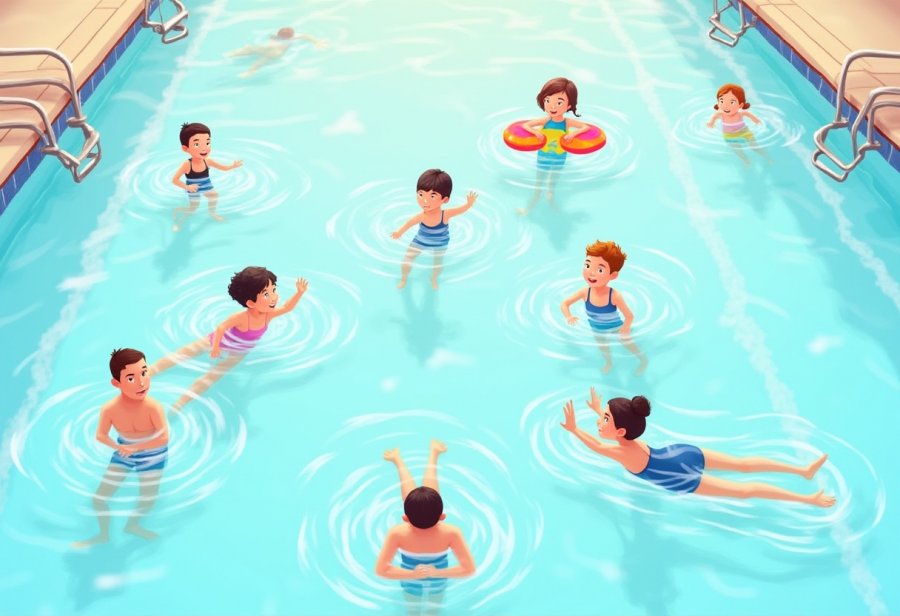
Learning to swim isn’t just a childhood milestone; it’s a skill that can truly transform lives at any age. Many adults hesitate at the thought of stepping into the water, often haunted by fears or memories of past anxieties. But the truth is, it’s never too late to start. Taking that first courageous step can open up a whole new world of safety, health benefits, and simple enjoyment. Whether you want to feel more confident around water, engage in gentle exercise, or just relax by the pool, beginning your water journey can be a powerful act of self-empowerment.
Overcoming initial fears is a crucial part of this process. It’s common to worry about drowning, losing control, or feeling out of place in the water. These fears are normal, especially if you haven’t had much exposure before. The good news is that with patience and gradual exposure, you can manage these anxieties. Small wins—like getting comfortable in shallow water or practicing breathing techniques—help build trust in your abilities. As your confidence grows, so does your ease in the water, making it easier to progress further.
Learning to swim at any age isn’t just about acquiring technical skills; it’s about transforming your relationship with water. It’s about turning fear into a sense of safety and control. Many who start later in life find that their journey begins with simple goals—such as standing calmly in the pool, floating, or blowing bubbles—before moving on to more advanced techniques. Every small victory reinforces your trust and motivates you to keep going. Over time, these moments lead to a genuine sense of freedom and joy in the water.
The stories of those who’ve learned later in life highlight that age is no barrier. Whether it’s a parent finally conquering childhood fears or an older adult discovering a new hobby, these experiences emphasize the power of perseverance and patience. Each step forward, no matter how small, helps push past doubts and gradually turns water from a source of fear into a space of confidence and fun.
No matter where you start, remember that the most important thing is to begin. It’s about showing up, being patient with yourself, and celebrating each milestone. The water is waiting, and with every small step, you’re opening the door to a safer, healthier, and more enjoyable relationship with water—one that can last a lifetime.
Overcome Fears and Build Water Confidence Step by Step
Building water confidence is a gradual process that thrives on patience and consistent practice. It often begins with small achievements, like floating on your back, blowing bubbles, or walking into shallow water without hesitation. These early wins are vital—they help dismantle fears and reinforce trust in your ability to stay safe. Each step forward builds a sense of control, making it easier to tackle the next challenge in your swimming journey.
Progression shouldn’t be rushed. Instead, focus on mastering fundamental skills at a comfortable pace. Starting with getting used to the water, practicing breath control, and floating helps create a solid foundation. Once these basics feel natural, you can gradually introduce more complex techniques like simple strokes or treading water, always respecting your comfort level. This slow approach reduces the risk of feeling overwhelmed and keeps motivation steady.
Supportive tools like kickboards, floaties, or swimming noodles can provide extra reassurance during practice. They serve as safety nets, allowing you to concentrate on specific skills—like kicking or floating—without the fear of sinking. Using these aids can boost confidence as you learn to balance and move in the water. Over time, as your skills improve, you’ll naturally rely less on these supports, trusting your own strength and technique.
Shifting your mindset is equally important. Techniques like deep breathing, visualization, or positive self-talk help calm nerves and foster a sense of control. Breaking your goals into small, achievable steps—such as sitting at the pool’s edge or floating underwater—makes progress tangible. Celebrating these small victories reinforces your belief that water can be a safe and enjoyable space, not something to fear.
Remember, setbacks are part of the learning curve. Feeling nervous or experiencing doubts doesn’t mean failure; it’s simply part of developing new skills. When nerves surface, take a breath, revisit the basics, and remind yourself of your progress. Consistency is key—regular, gentle practice yields better results than pushing too hard too fast. Each effort, no matter how small, chips away at anxiety and helps build enduring confidence.
Building water confidence is a deeply personal journey. It’s about more than just acquiring skills—it’s about transforming your relationship with water from fear to freedom. With patience, persistence, and a supportive mindset, anyone can develop the trust and comfort needed to enjoy the water safely and confidently, for life.
Actionable Techniques to Progress Safely and Confidently in Swimming
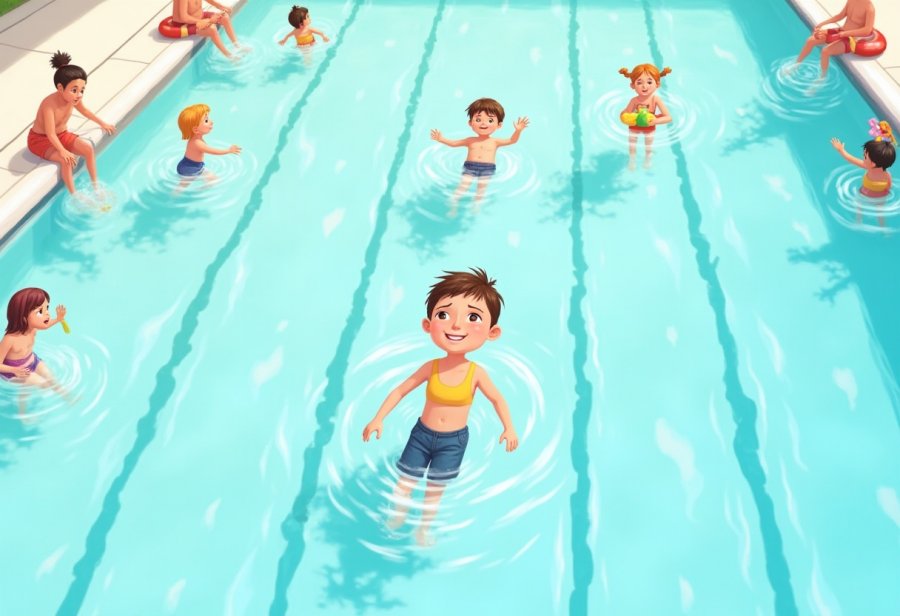
Getting started with swimming means taking small, intentional steps that build your confidence while keeping safety front and center. Begin in the shallow end, where you can stand comfortably and get used to the water without feeling overwhelmed. Focus on simple tasks like breathing calmly, feeling the water around you, and practicing basic movements such as floating on your back or front. These foundational skills lay the groundwork for more advanced techniques down the line.
Practicing breath control early on is essential. Try blowing bubbles underwater to get comfortable exhaling while submerged. This helps you relax and stay calm, which is crucial for progressing. Using supportive equipment like kickboards or floaties can give you a safety net, allowing you to concentrate on specific skills without the fear of sinking. These tools make practicing kicking, floating, and gliding easier and more manageable, giving you a sense of mastery as you go.
Progress gradually, resisting the urge to rush into swimming laps or diving into deep water before you’re ready. Building your skills step by step—starting with floating and breathing exercises, then moving on to basic strokes—ensures steady progress without feeling overwhelmed. Celebrate each small success, like floating confidently or completing a few strokes, to reinforce your trust in your abilities and maintain motivation.
Pay attention to your technique from the start. Keep your body aligned during strokes, breathe rhythmically, and use smooth, controlled movements. Proper form not only makes swimming more efficient but also reduces fatigue and minimizes the risk of injury. Simple drills, such as kicking on your back or practicing arm strokes in shallow water, are excellent ways to develop good habits early on, setting you up for more advanced skills later.
Patience is your best ally in this process. Everyone learns at their own pace, and setbacks are normal. If nerves or doubts creep in, take a moment to breathe deeply, revisit the basics, and remind yourself of your progress. Consistent, gentle practice is more effective than pushing too hard too quickly. Each small effort helps diminish fears and boosts your confidence, making each new skill feel more attainable.
Always prioritize safety during your learning journey. Never swim alone in the beginning, and use safety aids wisely—they support your progress but aren’t a substitute for supervision. Learning water safety skills like floating or treading water can give you peace of mind and prepare you for various situations. Remember, the goal is to enjoy the water safely, gradually increasing your skills and confidence with each session.
Inspiring Success Stories of Adult Water Beginners Who Conquered Their Fears
Many adults prove that learning to swim later in life is entirely possible and deeply rewarding. Jane, who decided to face her childhood water fears after turning 50, started with small goals—getting comfortable in shallow water and practicing breathing exercises with support. Over time, her confidence grew, and she was able to swim laps, now enjoying water activities with her family regularly. Her journey shows that perseverance and patience can turn water fear into a lifelong skill.
Similarly, Mark’s story highlights how past negative experiences don’t have to define your relationship with water. After decades avoiding pools due to a traumatic incident, he committed to overcoming his anxiety through gradual exposure and visualization techniques. With consistent practice and guidance from a caring instructor, Mark now feels safe swimming and even teaches others. His experience illustrates that age and past fears are no barrier to transformation.
These stories aren’t rare. Many adults who once felt overwhelmed or anxious have successfully learned to swim by starting small—using floaties or kickboards and celebrating every little victory, like floating or completing a few strokes. Their progress, often slow but steady, underscores the importance of patience and support. Such journeys demonstrate that building water confidence is more about mindset and persistence than innate ability.
What makes these successes inspiring is how they challenge the misconception that swimming is only for children or the naturally gifted. They remind us that anyone can conquer their fears with the right mindset, supportive environment, and small, consistent steps. Achieving the ability to swim confidently after years of avoidance brings a profound sense of freedom and accomplishment—proof that water fears can be replaced with confidence at any age.
Supportive instructors and loved ones play a crucial role in these transformations. Their encouragement helps learners push past doubts, celebrate progress, and stay motivated through setbacks. When someone feels safe and supported, they’re more willing to face challenges and keep trying. These stories highlight that perseverance, patience, and emotional safety are key ingredients in turning water anxiety into a lifelong gift.
Everyone’s journey is unique, but the common thread is resilience. Whether it’s a parent finally swimming alongside their children or an older adult enjoying water aerobics, each step forward builds trust and joy in the water. These examples show that learning to swim later in life isn’t just possible—it can become a deeply empowering experience that opens new doors to health, safety, and fun.
Ultimately, these stories serve as a reminder: the fear of water doesn’t have to hold you back. With patience, support, and a willingness to start small, you can turn your water anxiety into confidence. The water is waiting, and your journey toward becoming a confident swimmer can begin today—regardless of age or past fears.
Embracing the Future of Water Confidence: Innovations and Inclusive Swim Education
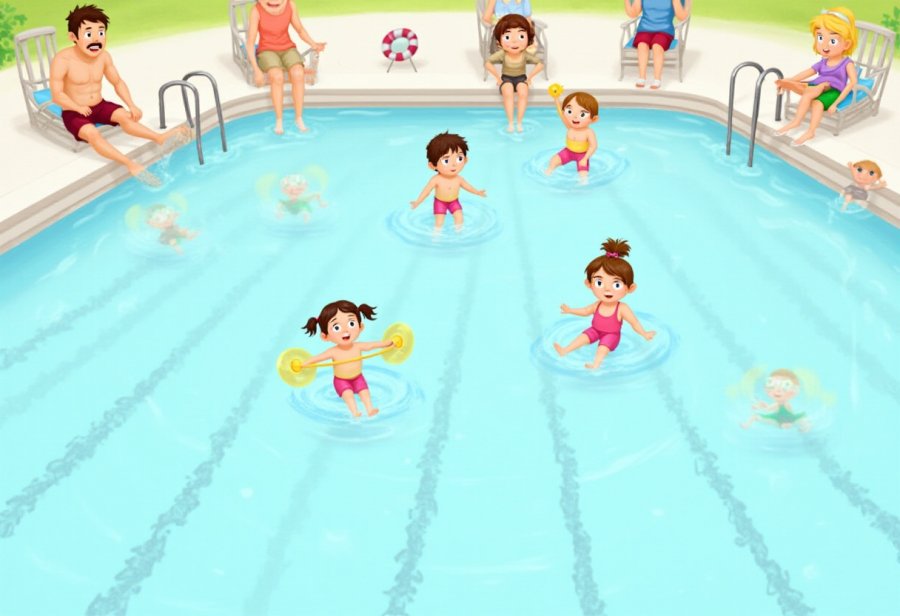
Looking ahead, the world of swim education is becoming more innovative and inclusive than ever before. Technology is opening new doors for learners of all ages, making water confidence more accessible and engaging. Virtual reality, for instance, offers immersive environments where individuals can practice water skills in a safe, controlled setting—helping those who feel hesitant to step into a pool build trust gradually. At the same time, online platforms and mobile apps enable flexible, self-paced learning, allowing users to revisit techniques and track progress on their own schedule.
Wearable devices are beginning to provide real-time feedback on technique, helping swimmers correct mistakes and improve more efficiently. These advancements keep the learning process dynamic and personalized, which is especially helpful for maintaining motivation and overcoming obstacles. As these tools become more widespread and affordable, they are helping bridge gaps for people who might otherwise feel excluded from traditional swim lessons—whether due to age, physical ability, or anxiety.
The focus on inclusivity continues to grow, with adaptive programs tailored to meet diverse needs. More swim schools are now designing lessons that cater to different abilities and backgrounds, employing specialized equipment and trained instructors to create welcoming environments. This shift is breaking down barriers and encouraging a lifelong love of water across communities that previously might have felt unwelcome or unsafe. It’s about making sure everyone has the chance to develop water confidence, no matter where they start.
Safety remains a core priority in this evolving landscape. Future programs emphasize not only technical skills but also mental resilience—teaching learners how to float, tread water, or stay calm under stress. This comprehensive approach prepares individuals for real-world situations, boosting both their physical skills and confidence in handling unexpected water encounters. With a focus on mental preparedness, water confidence becomes a lasting attribute that extends well beyond the pool.
Encouraging lifelong learning is gaining recognition as essential. Instead of viewing swimming as a childhood skill, there’s a shift toward ongoing development and skill refinement throughout life. Adults and seniors are encouraged to revisit techniques, explore new water activities, and maintain their confidence through regular practice. This mindset fosters a culture where water safety and enjoyment are continuous pursuits, enriching lives across generations and encouraging everyone to keep growing in their water journey.