




Mastering calm walks with your dog is more than just good manners—it’s a transformative experience that deepens trust and strengthens your bond. But how do you turn everyday outings into peaceful, joyful moments amidst distractions and challenges? This guide reveals proven techniques rooted in patience, positive reinforcement, and consistency, emphasizing trust as the foundation of successful leash training. From clear commands to gentle tools, you’ll discover how small, steady steps can turn reactive or distracted behaviors into relaxed focus. Practical tips for implementing routines, managing setbacks, and maintaining a budget-friendly approach make this journey accessible to all dog owners. Are you ready to unlock a new level of harmony and mutual respect during your walks? Get ready to turn stress into serenity and create shared moments of connection that last a lifetime.
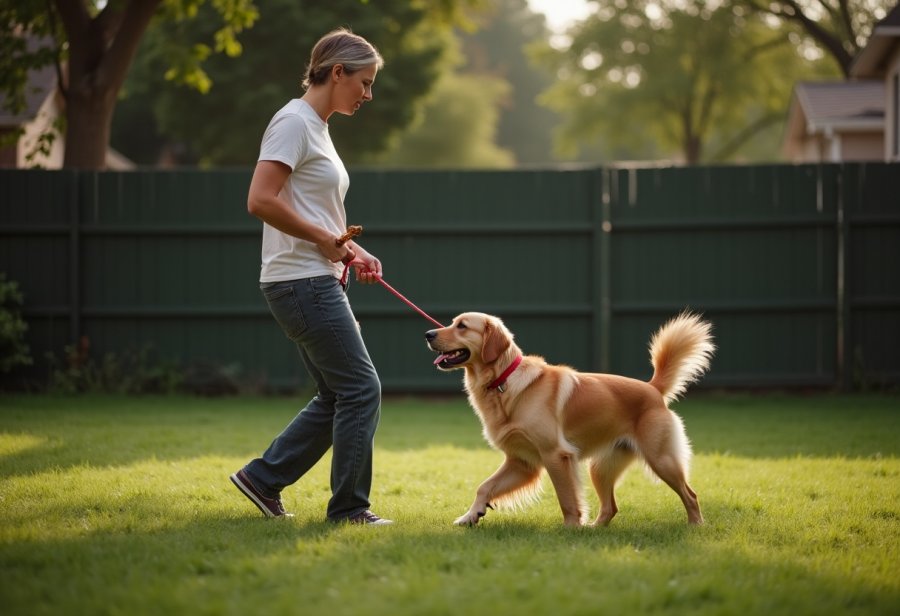
Master the Art of Calm Dog Walking: Turn Outings into Peaceful Bonds
Walking calmly with your dog might seem straightforward, but it’s actually one of the most valuable skills you can develop together. When your dog walks without pulling or lunging, it transforms your outings into peaceful, enjoyable experiences. A relaxed leash walk isn’t just about good manners; it’s a sign of trust and mutual respect. When your dog stays calm and attentive, they’re signaling that they trust your leadership, which strengthens your bond and makes every walk more pleasant.
Getting to this point requires patience and consistent effort. It’s not about quick fixes but building routines that your dog can rely on. Regular practice helps your dog focus on you rather than reacting impulsively to distractions like noises, passing cars, or other animals. Over time, these calm, focused walks become moments of connection and trust, rather than stressful routines to endure.
This guide aims to introduce practical techniques that lay the foundation for peaceful leash training. You’ll learn how to teach your dog to walk at your side, manage distractions effectively, and reward calm behavior. These tools help turn everyday walks into opportunities for bonding and joy, whether you’re just starting out or looking to improve your current routine.
Approaching leash training with patience and steady effort creates a safe and positive environment. Remember, progress may be gradual, but every small step counts. Consistency in commands, routines, and praise helps your dog understand what’s expected, making calm, relaxed walks a natural part of your shared life.
Foundations of Calm Dog Walking: Build Trust, Patience, and Positive Reinforcement
At the core of calm dog walking are simple yet essential principles that build a strong foundation for success. Establishing trust is paramount; your dog needs to feel secure and confident in your leadership. When trust is present, your dog is more receptive to your cues and remains relaxed, even amid distractions. Patience is equally important—training isn’t a quick fix, and rushing can cause confusion or setbacks. Using positive reinforcement, like treats and praise, helps your dog associate calm walking with rewarding experiences, encouraging them to repeat the behavior.
Modern training methods focus on understanding canine psychology rather than relying on dominance or harsh corrections. Rewarding focused, calm walking turns outings into bonding moments instead of battles. Teaching commands such as “heel” with consistent cues and rewards fosters clear communication and mutual respect, making walks more peaceful and enjoyable for both of you. These core ideas—trust, patience, and positive reinforcement—are the building blocks of effective leash training.
Choosing the right tools supports these principles. Gentle equipment like front-clip harnesses or head collars provide better control without discomfort, making training smoother and more comfortable for your dog. Treats, whether store-bought or homemade, motivate your dog and reinforce good behavior. Combining these tools with consistent routines creates a predictable environment, helping your dog develop relaxed walking habits over time.
Understanding canine behavior and obedience principles can further boost your training efforts. Recognizing how dogs process cues and stress enables you to tailor your approach. Knowing your dog’s natural tendencies and emotional needs helps deepen trust and cooperation, transforming walks into positive shared experiences. Incorporating these insights into your routine makes calm, relaxed walks natural and rewarding.
By focusing on trust, patience, and positive reinforcement, you set the stage for successful leash training. These foundational ideas promote a confident, relaxed dog who looks to you for guidance and feels secure during walks. Building on this foundation, your outings will become more peaceful, enjoyable moments of connection rather than stressful routines.
Consistent practice and a calm approach turn these principles into habits. Regularly reinforcing your routines helps your dog understand what’s expected and prepares them to stay focused, even in more stimulating environments. Over time, these small, steady efforts foster lasting calmness and strengthen the bond between you.
Key Techniques for Calm Walking: Step-by-Step Strategies to Relax Your Dog
Achieving calm walks with your dog relies on clear communication and consistent practice. Starting in a quiet space, teach the “heel” command by using a treat to guide your dog into walking beside you. When they stay in position without pulling, immediately reward with praise or a treat. This positive reinforcement helps your dog associate walking calmly at your side with good things, making focus and cooperation more natural.
Keep the leash loose at all times; tension signals pulling, which you want to avoid. If your dog begins to pull ahead, stop walking and wait until they return to your side. Only then do you resume movement. This teaches your dog that pulling doesn’t get them where they want to go, but staying close does. Short, frequent training sessions with plenty of rewards make learning engaging and effective.
Gradually increase walk length and introduce mild distractions, such as passing cars or other people, to reinforce focus in real-world settings. Always reward calm, attentive behavior with treats or praise. Patience is key—your dog needs time to understand the cues and develop the habit of relaxed walking. Consistency in commands and routines creates a predictable environment that encourages calmness and focus over time.
Address distractions calmly and promptly. If your dog gets distracted or pulls, gently stop and redirect their attention back to you, rewarding them when they refocus. Avoid harsh corrections, as they can cause anxiety and erode trust. Over time, these small adjustments help your dog learn to stay attentive and relaxed, even in more stimulating environments.
Practice patience and persistence; every successful walk builds confidence and trust. Incorporate these techniques into your daily routine, and remember that progress may be gradual. With steady effort, your dog will learn to walk calmly at your side, transforming walks into peaceful, bonding moments you both look forward to.
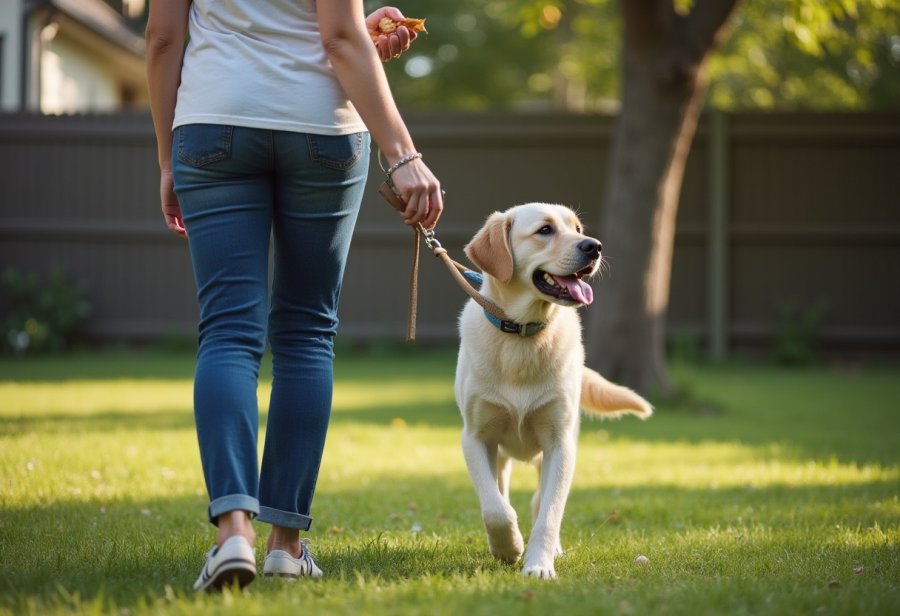
Practical Application: Turn Training into Daily Rituals for Peaceful Walks
Putting your calm walking techniques into daily practice starts with familiar, low-distraction routes where your dog feels confident and secure. Keeping training sessions short—about five to ten minutes—helps your dog stay focused and prevents frustration. Use consistent commands like “heel” or “walk nicely,” and reward immediately when your dog demonstrates calm, attentive behavior. Maintaining a steady, calm tone during walks reinforces your leadership and encourages your dog to stay tuned in to you.
Having all your training tools ready before heading out makes it easier to focus entirely on your dog. Treats, a comfortable harness, and a sturdy leash should be within easy reach. When distractions appear—such as a jogger passing or a barking dog—pause gently and wait for your dog to refocus. Reward their attention and calmness before moving on. Over time, gradually introduce mild distractions, always rewarding calm responses to build your dog’s confidence in real-world settings.
Consistency is key. Use the same cues and routines each walk so your dog learns what to expect. Incorporate your commands naturally into the walk, praising and rewarding whenever they stay calm and attentive. If your dog gets overwhelmed or distracted, take a step back to easier exercises or quieter environments to prevent setbacks. This steady approach keeps training positive and builds trust.
Make calm walking part of your everyday routine, not just a separate training session. Incorporate commands and praise during regular walks, so your dog associates good behavior with everyday life. As they gain confidence, slowly extend walks and introduce busier environments, always rewarding focus and calmness. This gradual exposure helps your dog learn to stay relaxed regardless of surroundings.
Involve everyone in your household to maintain consistency. When all family members follow the same routines and use uniform commands, your dog receives clear messages that speed up learning. Keep training positive with treats, praise, and gentle guidance. Celebrate small successes—each calm walk reinforces good habits and deepens your bond.
If your dog struggles with particular environments or distractions, adapt your approach. Choose quieter times or locations for training, and gradually build up to more stimulating settings. Patience and flexibility are vital to prevent frustration and keep your dog motivated. Reassess and tweak routines as needed to ensure progress remains steady and positive.
By integrating these practices into daily life, calm walking becomes a natural, rewarding habit. Consistency and patience turn small efforts into lasting routines, transforming walks from stressful routines into peaceful, bonding moments. Over time, your dog will learn that staying focused and relaxed during outings is not only expected but also enjoyable for both of you.
Maintaining Calmness on a Budget: Affordable Tools and Resources for Success
Training a dog to walk calmly doesn’t have to be expensive. Many effective tools and supplies are available at affordable prices, making it possible to support your efforts without breaking the bank. Basic equipment like simple leashes and front-clip harnesses are budget-friendly options that can significantly improve control and comfort during training. These tools help reduce pulling and make sessions smoother, all while staying within a reasonable cost. Treats, too, don’t need to be costly; small, healthy snacks or homemade goodies work just as well as store-bought rewards, keeping your dog motivated without extra expense.
Community resources add valuable support without straining your budget. Local shelters, rescue groups, or community centers often run low-cost classes or workshops focused on leash manners and calm walking. Attending these can provide expert guidance and connect you with other dog owners facing similar challenges. Online tutorials and forums are also free or low-cost sources of advice that can help refine your techniques and troubleshoot issues as they arise, making consistent training more accessible.
Investing in quality equipment can pay off in the long run. Well-made harnesses and durable leashes tend to last longer and perform better, reducing the need for frequent replacements. Choosing gear that fits well and suits your dog’s size and temperament makes training more effective and comfortable. Treat options like homemade chicken, cheese, or vegetables are inexpensive and easy to prepare, providing reliable motivation during training sessions.
Supporting your leash training with community programs or online resources helps keep costs down while maximizing your progress. Many organizations offer free advice, tips, or even free training sessions for committed pet owners. These opportunities not only save money but also bring professional insights and peer support, enriching your journey toward calm walks.
Planning wisely and utilizing available resources makes maintaining a budget-friendly routine achievable. The goal isn’t to overspend but to use what’s available efficiently—focusing on consistency and patience. With a bit of research and effort, you’ll find that creating a supportive environment for your dog’s calmness and focus is entirely within reach, leading to more peaceful, enjoyable walks for both of you.
Implementing Calm Walks: Create Consistent Routines for Lasting Progress
Turning your training plan into a daily routine is the key to lasting progress. Start with familiar, low-distraction routes where your dog feels confident and secure. Consistency in timing and location helps your dog know what to expect, reducing anxiety and making the training more effective. Keep sessions brief—around five to ten minutes—to maintain focus and prevent frustration. Use the same commands, like “heel” or “walk nicely,” and reward your dog immediately when they stay calm and attentive. Over time, these small, regular efforts become second nature, reinforcing good habits.
Practice in quiet environments at first, then gradually introduce mild distractions like passing cars or other people. Always reward calmness and focus, which helps your dog learn to stay attentive even in busier settings. Repeating routines and using consistent cues create a reliable pattern your dog can depend on, making calm walking a natural part of daily life. If your dog gets distracted or pulls, gently pause and redirect their attention, rewarding them when they refocus. Patience and gentle guidance are essential, especially when setbacks happen.
Involve everyone in your household to keep routines uniform. When all family members follow the same commands and routines, your dog receives clear, consistent messages that speed up learning. Incorporate praise, treats, and gentle corrections to reinforce good behavior, making training feel like a positive experience. As your dog gains confidence, slowly extend walks and expose them to more stimulating environments, always rewarding focus and calmness. This gradual approach builds resilience and helps your dog stay relaxed regardless of surroundings.
Treat everyday walks as part of your training, not separate sessions. Seamlessly integrating commands and praise into regular outings makes calm walking a normal habit. Over time, your dog will associate good behavior with daily routines, transforming what once was a challenge into a shared activity. Consistency, patience, and positive reinforcement turn these small daily efforts into lasting habits that foster trust and deepen your bond. With steady practice, peaceful, enjoyable walks become a natural, rewarding part of your life together.
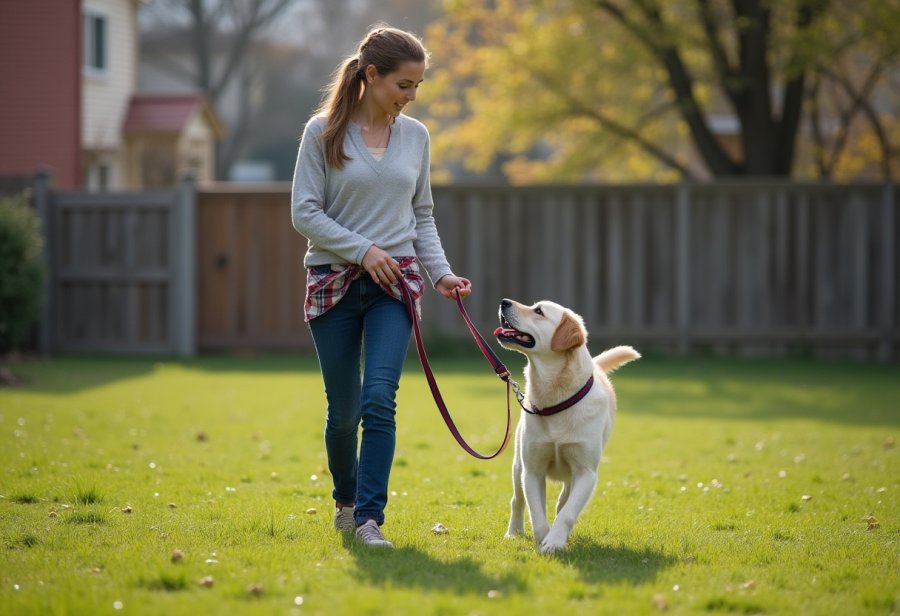
Addressing Risks and Challenges: Overcome Obstacles with Confidence and Care
Training a dog to walk calmly can bring up unexpected challenges, but knowing how to handle common obstacles makes a big difference. Distractions like other dogs, squirrels, or loud noises often trigger pulling or lunging. The key is to introduce these stimuli gradually, rewarding your dog for staying focused and calm. This slow exposure helps them learn to ignore or manage triggers over time, reducing reactive behaviors.
Some dogs resist training because they are naturally stubborn or unsure. When overwhelmed, they might ignore commands or pull harder. Patience and consistent guidance are essential here. Reinforce good behavior with treats and praise, especially in distracting environments, and avoid harsh corrections that can increase stress or break trust. Instead, keep your tone calm and steady, showing leadership without intimidation.
Safety is a crucial concern. Ensure your dog wears well-fitting equipment like a front-clip harness, which offers better control without causing discomfort. Avoid busy streets or hazardous areas until your dog reliably stays calm in different settings. If your dog reacts strongly, step back to quieter environments to reset their focus and prevent setbacks, gradually working up to more stimulating places.
Setbacks are part of the process. When your dog pulls or gets distracted, gently pause and redirect their attention. Reward them when they refocus, reinforcing the desired behavior. Remember, progress isn’t always linear—patience and persistence turn these moments into learning opportunities instead of frustrations.
Preparing for potential challenges ahead of time helps keep training positive. Recognize signs of stress or overstimulation early, and give your dog space to relax. If persistent issues arise, don’t hesitate to seek advice from professional trainers who can offer tailored strategies. Addressing these obstacles with calm, consistent effort ensures your walks remain safe, peaceful, and rewarding for both of you.