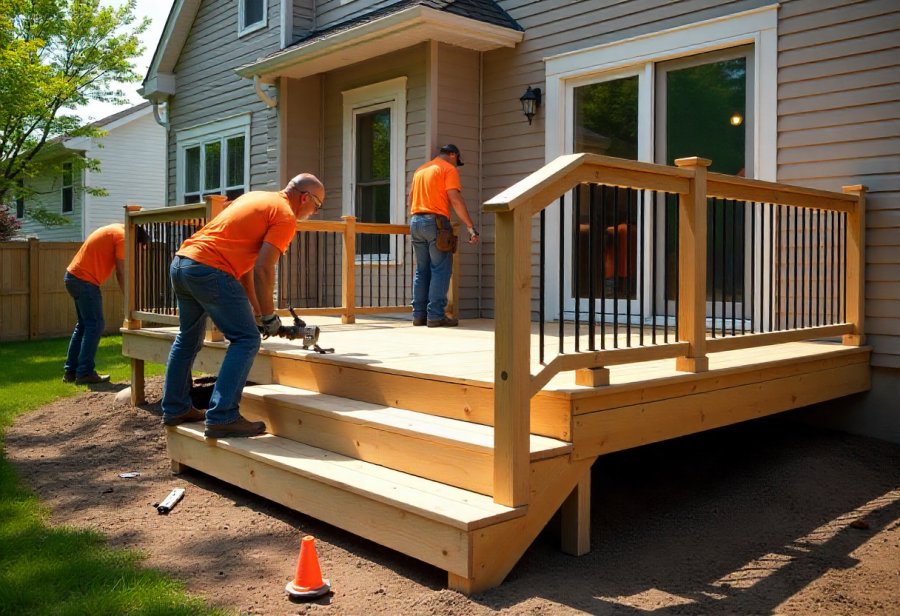




Transforming Toronto yards into captivating outdoor retreats involves a delicate balance of beauty, sustainability, and client satisfaction. How can homeowners achieve lush, vibrant spaces that are environmentally responsible and tailored to their lifestyles? This guide explores innovative landscape design principles that prioritize native plants, eco-friendly features like rain gardens, and permeable surfaces to naturally manage stormwater. These sustainable elements not only enhance aesthetic appeal but also support local ecosystems, reduce maintenance costs, and boost property value. Yet, the journey isn’t without challenges—budget constraints, site conditions, and regulatory hurdles often complicate the process. By embracing creative compromises and transparent communication, homeowners and designers can overcome these obstacles. Ultimately, the goal is to craft resilient, beautiful gardens that enrich daily life, foster a connection to nature, and stand the test of time. Isn’t it possible to create outdoor spaces that are both stunning and ecologically responsible?
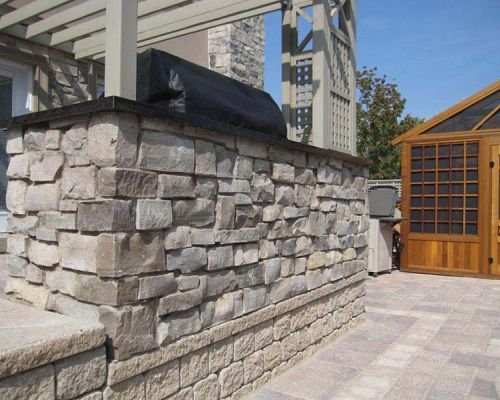
Transform Your Toronto Yard Into a Personal Sanctuary
Transforming Toronto yards into inviting outdoor retreats has become a key focus for homeowners looking to maximize their limited space and create personal sanctuaries. In a city where properties often come with small lots and busy lives, designing a beautiful outdoor area offers a much-needed escape from daily stresses. These transformations go beyond planting a few flowers or installing a patio—they’re about crafting spaces that reflect individual lifestyles while also supporting environmental health.
The scope of yard renovations in Toronto is diverse and increasingly innovative. From native plantings that thrive naturally in our climate to eco-friendly features like rain gardens and permeable pavements, these projects aim to balance beauty with responsibility. Modern designs prioritize sustainability, reducing water use, supporting local ecosystems, and lowering maintenance costs, which makes outdoor spaces both practical and environmentally conscious. A well-designed yard can boost curb appeal and even increase property value, making it a smart investment.
Every yard is unique, shaped by the homeowner’s preferences, needs, and lifestyle. Some want low-maintenance gardens that stay vibrant with minimal effort, while others envision vibrant spaces perfect for entertaining or relaxing. Successful transformations start with listening carefully to these goals, allowing designers to develop tailored solutions that marry aesthetics with functionality. From plant choices to layout, each detail is crafted to serve both beauty and practicality.
In Toronto’s climate, sustainability is more than a trend—it’s essential. Native plants adapted to seasonal changes require less water and fewer chemicals, helping to reduce ongoing costs. Features like rain gardens and permeable surfaces manage stormwater naturally, preventing runoff and encouraging biodiversity. These environmentally friendly elements create resilient landscapes capable of thriving through the city’s seasonal shifts.
Ultimately, yard transformations are about more than aesthetics. They create outdoor spaces that enhance daily routines, foster a connection to nature, and respect the environment. When thoughtfully planned and sustainably designed, these retreats become extensions of the home—places to relax, entertain, and enjoy life’s simple pleasures. A well-crafted outdoor space enriches both the homeowner’s experience and the broader community, proving that beauty and responsibility can go hand in hand.
Design Principles Merging Beauty and Sustainability
Designing sustainable and visually captivating yards in Toronto requires a thoughtful balance between aesthetics and environmental responsibility. Native plants are at the heart of this approach—they are naturally suited to our climate, needing less water, fewer chemicals, and minimal upkeep. Choosing these resilient species not only creates lush, vibrant landscapes but also supports local wildlife, fostering biodiversity right in your backyard.
Incorporating eco-friendly features like rain gardens and permeable pavements enhances stormwater management naturally. Rain gardens absorb excess runoff, reducing strain on city drainage systems, while permeable surfaces allow rain to seep into the ground, replenishing groundwater and preventing erosion. These elements add visual interest and texture, transforming functional components into striking design features that serve a dual purpose.
Using sustainable materials such as reclaimed wood, recycled stone, and biodegradable fabrics further reduces the environmental footprint of landscape projects. These materials bring unique character and charm to the yard, aligning with eco-conscious values. Complementing them with energy-efficient, solar-powered lighting creates a landscape that is both beautiful and resource-smart, extending usability into the evening hours without increasing energy consumption.
Designing with biodiversity in mind elevates the landscape’s ecological value. Incorporating layered plantings, pollinator-friendly flowers, and wildlife habitats attracts bees, butterflies, and birds, turning the yard into a lively ecosystem. This approach not only enhances visual appeal but also builds resilience against pests and climate fluctuations, making the yard more sustainable and vibrant over time.
Finally, engaging homeowners in the design process ensures their personal style and practical needs are met. Whether they desire a low-maintenance garden, an entertainment-ready outdoor space, or a peaceful retreat, integrating eco-friendly principles seamlessly into the design makes these visions achievable. When sustainability is woven into every element, the result is a yard that’s stunning, durable, and aligned with responsible stewardship of the environment.
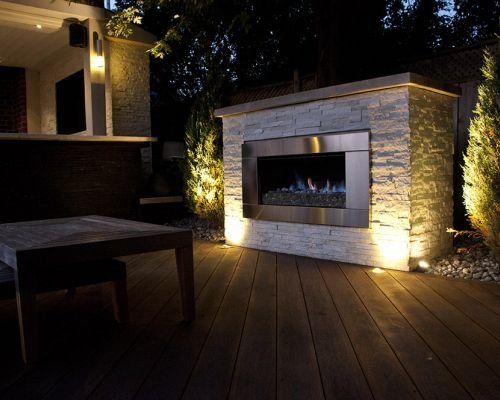
Overcoming Challenges in Yard Makeovers
Transforming a yard into a beautiful outdoor retreat often involves more hurdles than homeowners initially expect. One of the biggest challenges is balancing aesthetic ambitions with practical and environmental realities. For example, a client might envision a vibrant, colorful garden, but sustainable landscaping generally favors native, drought-tolerant plants that may not match that vibrant vision. Finding common ground requires open dialogue and creative compromises to ensure the design remains both beautiful and responsible.
Budget constraints frequently pose another obstacle. High-end features like elaborate water elements or premium materials can quickly push costs beyond what’s feasible. This often leads to tough choices, where homeowners and designers must prioritize certain elements over others. Clear communication from the outset helps manage expectations, but unforeseen expenses—such as site remediation or material shortages—can cause delays and frustration, requiring flexibility and problem-solving skills from everyone involved.
Site conditions, especially in Toronto’s climate, can add unexpected complications. Poor drainage, soil contamination, or compacted earth may necessitate additional work that inflates costs and extends timelines. Discovering these issues late in the process means plans must adapt quickly, which can be challenging. Addressing these problems often involves extra steps like soil remediation or redesigning certain features, making a flexible approach essential to keep the project on track.
Timing can also be a sticking point. Many clients desire quick results, but sustainable landscaping takes time to develop properly. Rushing the process risks compromising the quality and longevity of the yard. Weather delays, supply chain disruptions, and unforeseen site issues only add to the wait. Managing these expectations early ensures the project progresses smoothly without sacrificing the integrity of the final result.
Conflicts among stakeholders—whether neighbors, city regulations, or homeowners’ associations—can slow or complicate progress. Restrictions on fencing, plant choices, or lighting often require negotiations and compromises. Early planning and transparent communication are key to navigating these hurdles without derailing the project. By addressing potential conflicts upfront, homeowners can avoid surprises that threaten to undermine their vision or delay completion.
Finally, it’s tempting to prioritize visual wow factors over ecological health, but this can undermine sustainability goals. Bright flowers and decorative features are appealing, but if they come at the expense of native plants or eco-friendly materials, the landscape’s long-term health suffers. Educating clients about native species and low-impact design helps strike a balance. Recognizing and planning for these challenges ensures the final yard remains both stunning and sustainable over time.
Enhancing Daily Life Through Sustainable Outdoor Spaces
A thoughtfully designed outdoor space does more than just look attractive; it fundamentally enhances how homeowners live each day. When a yard is planned with both beauty and practicality in mind, it becomes a true extension of the home—an inviting spot where routines are easier and stress is reduced. Incorporating native plants and eco-friendly features like rain gardens means less time spent on upkeep, freeing homeowners to enjoy their outdoor retreat rather than constantly maintain it.
A cozy patio or seating area transforms a yard into a social hub or a peaceful escape. When these spaces are integrated with sustainable elements such as shaded zones or solar lighting, they become usable year-round, offering comfort without excess energy use. This harmony between function and design encourages more outdoor activity and makes daily routines more enjoyable, whether it’s a morning coffee or an evening gathering.
Features like rain gardens and permeable pavements naturally manage stormwater, reducing runoff and easing pressure on city infrastructure. Instead of battling weather or drainage issues, homeowners see their landscapes working with nature, supporting local wildlife and enhancing biodiversity. Over time, these eco-friendly features create resilient yards that adapt seamlessly to seasonal changes and environmental stresses.
Choosing native plants and resource-efficient systems also means less work and lower costs. Drought-tolerant species require less watering and fewer chemicals, while smart irrigation systems deliver water precisely where it’s needed. These choices align with a lifestyle that values sustainability, making outdoor care simpler and less time-consuming while still maintaining a lush, vibrant landscape.
A well-designed outdoor space also nurtures mental well-being. Gardens filled with native flora and natural elements provide calming sights and sounds that help reduce stress and foster relaxation. Spending even a few moments in such a space can turn a routine day into a restorative experience, helping residents reconnect with nature and find peace amid busy lives.
When outdoor areas are easy to care for and environmentally conscious, they become sources of pride and joy. They invite more outdoor use, encourage community interactions, and inspire ongoing sustainability efforts. A resilient, beautiful yard isn’t just a visual asset—it’s a vital part of a balanced, mindful lifestyle that supports well-being and environmental health.
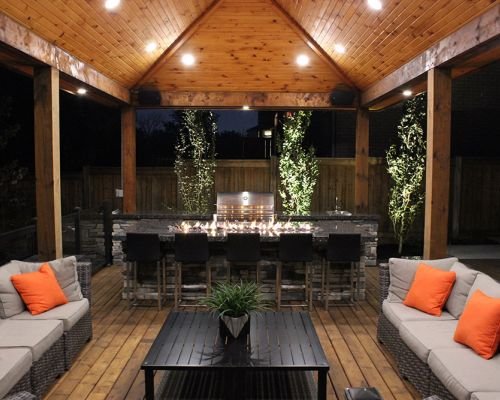
Crafting Resilient, Beautiful, and Eco-Friendly Retreats
Creating a sustainable and beautiful outdoor retreat in Toronto isn’t just about making a yard look appealing; it’s about designing a space that endures over time while honoring the environment. The secret lies in blending aesthetic choices with eco-friendly practices—using native plants, recycled materials, and innovative features that promote long-term health and biodiversity. When the design process focuses on understanding what homeowners truly want, the result is a space that feels personal, functional, and resilient.
Native plants are at the heart of this approach. They thrive naturally in Toronto’s climate, requiring less water, fewer chemicals, and minimal upkeep. This not only creates lush, vibrant landscapes but also supports local wildlife, fostering biodiversity right in your backyard. Incorporating features like rain gardens and permeable surfaces helps manage stormwater naturally, preventing runoff and encouraging ecological balance. These elements turn practical needs into visually appealing design highlights that serve both form and function.
Balancing beauty with sustainability demands careful planning and ongoing attention. Thoughtfully integrating energy-efficient lighting, recycled materials, and wildlife-friendly plantings transforms outdoor spaces into tools for environmental stewardship. When these features are blended seamlessly into the landscape, they create a resilient, vibrant yard capable of thriving through seasonal changes. This approach ensures the outdoor retreat remains visually stunning, durable, and eco-conscious for years to come.
Design flexibility and practicality are essential to avoid common pitfalls like high maintenance or environmental degradation. Clear communication with clients about achievable goals and realistic timelines helps prevent disappointment. A well-considered plan that accounts for site conditions, budget constraints, and local regulations sets the foundation for success. When challenges are anticipated and addressed early, the project can evolve smoothly, resulting in a yard that truly meets both aesthetic and ecological standards.
The connection between a thoughtfully designed outdoor space and daily life is profound. These landscapes support routines by offering inviting areas for relaxation, socializing, and outdoor activities, all while reducing the effort needed to maintain them. Eco-friendly features like rain gardens and native plantings work with nature, creating a landscape that is easier to care for and more resilient. Over time, this fosters a sense of harmony, peace, and connection to the environment.
A well-crafted yard becomes more than just a pretty backdrop; it transforms into a personal sanctuary that enhances mental well-being and quality of life. Gardens filled with native plants and natural elements provide calming sights and sounds that help reduce stress and promote mindfulness. These spaces invite residents to reconnect with nature daily, turning ordinary routines into moments of renewal and reflection.
Investing in sustainable landscape design yields benefits far beyond immediate visual appeal. It lowers long-term costs, conserves resources, and supports local ecosystems. The resilience and adaptability of these landscapes mean they require less intervention over time, making them a wise choice for homeowners committed to environmental responsibility. Every thoughtful decision, from plant selection to material choice, contributes to a future-proof outdoor retreat.
In the end, the goal is to create outdoor spaces that are as sustainable as they are beautiful—spaces that stand the test of time, support ecological health, and enrich daily life. When design emphasizes responsibility alongside aesthetics, it results in landscapes that are not only inspiring but also meaningful. These retreats become vital parts of a balanced, mindful lifestyle—beautiful refuges that serve as a testament to thoughtful, responsible landscape craftsmanship.