




In a world where seamless, reliable communication can transform business outcomes, how can organizations harness the power of customizable telephony solutions to achieve greater efficiency and scalability? Grandstream’s innovative IP phones and cloud management tools like GDMS offer a compelling answer, enabling rapid deployment, centralized control, and tailored features that meet diverse operational needs. As traditional landlines give way to internet-based systems, businesses gain unprecedented flexibility—supporting remote teams, integrating with digital tools, and scaling their networks effortlessly. But what safeguards ensure that increased connectivity doesn’t compromise security or quality? This vital balance between customization, security, and performance is at the heart of modern telephony’s evolution. Unlocking these capabilities not only streamlines communication but also empowers organizations to adapt swiftly to future challenges, turning their phone systems from mere utilities into strategic assets. Are you ready to transform your network and elevate your communication game?
Unlocking Business Success with Customizable Telephony Solutions
In today’s fast-paced business world, clear and reliable communication isn’t just a convenience — it’s a necessity. Whether you manage a small team or oversee a sprawling enterprise, how your organization connects internally and with customers can make or break your efficiency and success. That’s why customizable telephony solutions have gained such importance. They give you the flexibility to craft a communication system that fits your unique needs, rather than forcing you into a generic, one-size-fits-all setup.
As technology advances, traditional landlines are rapidly being replaced by internet-based systems like VoIP. These modern solutions open up a wide array of customization options, allowing businesses to tailor features such as call routing, voicemail, and conferencing to match their specific workflows. This shift isn’t just about adding bells and whistles; it’s about creating a communication environment that enhances operational efficiency and supports growth. With flexible systems, you can adapt quickly as your needs evolve, whether that’s supporting remote teams or expanding into new markets.
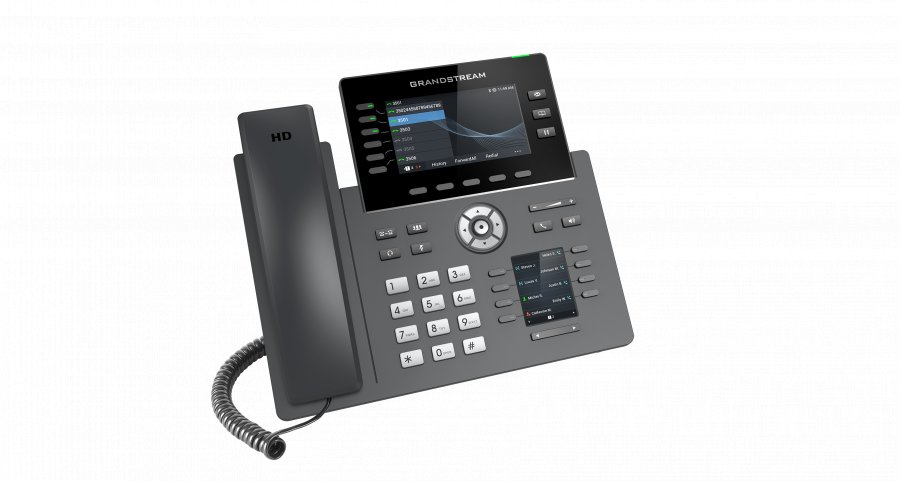
The deployment of devices has also undergone a transformation. Today’s IP phones, such as those from Grandstream, are designed to be quick to set up and easy to manage. Cloud platforms like GDMS enable centralized control, so configuring and monitoring hundreds or thousands of devices can be done remotely. This simplifies scaling, reducing the need for on-site visits and minimizing downtime. As a result, organizations can expand their communication infrastructure rapidly and seamlessly, without sacrificing control or security.
Equipping your system with the right hardware is vital. High-quality IP phones offer features like high-definition audio, programmable keys, and simple interfaces that support mass deployment. They integrate smoothly with cloud management tools, ensuring that updates and adjustments are straightforward. This flexibility allows businesses to grow their networks effortlessly, whether adding new team members, supporting remote staff, or opening new locations. The ability to deploy devices efficiently across multiple sites accelerates operational readiness and keeps everyone connected.
A robust network infrastructure underpins all these benefits. Prioritizing voice traffic with Quality of Service (QoS) protocols ensures calls remain clear and stable, even during busy periods. Wired Ethernet connections are often preferred for critical endpoints, offering a consistent, interference-free environment. Regular updates and security patches are essential to defend against vulnerabilities, maintaining both system integrity and data privacy. When these elements come together, your telephony system becomes a reliable, high-performing backbone for daily operations.
Customization extends beyond device features. Cloud-managed platforms provide the tools to fine-tune call flows, integrate with customer relationship management (CRM) systems, and analyze call data for insights. This level of personalization ensures your communication setup not only meets your current needs but also adapts to future challenges. It transforms your phone system from a mere communication tool into a strategic asset that improves customer experience, enhances team collaboration, and supports ongoing growth.
In essence, investing in a flexible, customizable telephony solution creates a foundation that keeps your organization connected, agile, and prepared for the future. By leveraging innovative devices like Grandstream’s IP phones and managing them through cloud platforms, you gain control, scalability, and efficiency. These tools enable you to build a communication environment tailored precisely to your operational goals, empowering your team to perform at its best in today’s digital landscape.

Mastering the Fundamentals of Modern Communication Systems
Understanding telephony solutions starts with familiarizing yourself with the core concepts and terminology that form the foundation of modern communication systems. At its simplest level, telephony involves enabling voice conversations over a distance, traditionally through landlines, but now mainly via the internet using IP telephony or VoIP. This technological shift has unlocked an array of customization options, allowing businesses to craft their phone systems around specific operational needs instead of relying on rigid, pre-set configurations. From call routing to voicemail and conferencing, these systems can be tailored to support unique workflows, making communication more efficient and responsive.
Devices have evolved significantly alongside these technological advances. Traditional landlines offered limited features and were often tied to physical lines, making scaling and management a headache. Today’s IP phones, like those from Grandstream, deliver high-definition audio, programmable keys, and easy integration with digital tools. Designed for rapid deployment and remote management, these devices can be configured efficiently through centralized platforms, reducing setup time and minimizing disruptions. This flexibility not only simplifies scaling but also ensures that new devices can be added seamlessly across multiple locations, supporting both growth and remote work.
At the heart of these systems are protocols like SIP (Session Initiation Protocol), which manage call setup, maintenance, and termination. SIP acts as the communication bridge, ensuring interoperability between different hardware and software components. When combined with cloud management platforms such as GDMS, organizations gain centralized control over device configurations, firmware updates, and troubleshooting. This setup simplifies large-scale deployments, whether a handful of phones or thousands, and empowers IT teams to manage the entire network remotely, keeping operations running smoothly and securely.
The stability and quality of a telephony network hinge on a robust infrastructure. Prioritizing voice traffic through Quality of Service (QoS) protocols helps prevent latency, jitter, and dropped calls, especially during peak usage. Wired Ethernet connections are often preferred for critical endpoints, offering a stable, interference-free environment. Regular updates and security patches are essential for safeguarding the system against vulnerabilities, maintaining both performance and data privacy. These measures ensure that communication remains reliable, clear, and protected against evolving threats, supporting ongoing business needs.
By grasping these fundamental concepts—device capabilities, communication protocols, network infrastructure, and management tools—you set a solid foundation for leveraging the full potential of customizable telephony solutions. This knowledge enables organizations to design flexible, scalable, and secure communication environments that adapt effortlessly to changing demands. It also highlights the importance of integrating these systems with existing digital tools, creating a seamless and efficient infrastructure that keeps your team connected, productive, and prepared for future growth.
Navigating the Current Landscape of VoIP and Cloud-Managed Telephony
Today’s telephony landscape has undergone a dramatic transformation from the days of traditional landlines to a highly flexible, internet-driven ecosystem. Most organizations now rely on Voice over IP (VoIP) technology, which transmits voice data over the internet, enabling a level of customization that was previously impossible. This shift allows businesses to design their communication channels around specific workflows, whether it’s call routing, voicemail configurations, or conferencing setups, all tailored to meet operational needs.
Cloud management platforms have become essential in managing this new environment. These tools allow IT teams to configure, monitor, and troubleshoot devices remotely, eliminating the need for physical presence at each deployment site. Whether deploying a handful of phones or thousands across multiple locations, platforms like GDMS simplify the process. Auto-provisioning features speed up setup times, while centralized control ensures consistent updates, security patches, and device management, keeping the entire system secure and current.
Hardware has evolved alongside these technological advances. Modern IP phones, such as Grandstream’s offerings, are designed for quick, straightforward deployment. They come equipped with high-definition audio, programmable keys, and user-friendly interfaces, making them suitable for both small teams and large-scale deployments. These devices integrate seamlessly with cloud management platforms, enabling remote configuration and monitoring. This flexibility simplifies scaling efforts, whether onboarding new remote workers or expanding to additional offices, without disrupting existing operations.
The backbone of reliable communication is a robust network infrastructure. Quality of Service (QoS) protocols prioritize voice traffic, ensuring calls remain clear and stable even during peak periods. Wired Ethernet connections are preferred for critical endpoints because they provide a stable, interference-free environment. Regular firmware updates and security patches are vital for safeguarding against vulnerabilities, maintaining both performance and data privacy. When these elements work together, they create a dependable environment that supports high-quality, uninterrupted voice communication.
As organizations adopt these cloud-managed, customizable telephony solutions, they gain the agility to adapt quickly to changing needs. The ability to configure call flows, manage large device fleets remotely, and optimize network performance supports both growth and operational flexibility. This environment not only improves internal collaboration but also enhances customer interactions—delivering a seamless, professional experience across all touchpoints.
Looking ahead, the trend toward cloud-based, highly configurable telephony systems shows no signs of slowing. Businesses increasingly value solutions that scale effortlessly, integrate with digital tools like CRM platforms, and provide detailed analytics. These systems are designed to evolve with organizational demands, ensuring that communication channels remain aligned with strategic goals. The current state of telephony solutions sets a strong foundation for smarter, more adaptive networks that foster innovation and enhance productivity.
In this evolving landscape, choosing the right technology and deploying it effectively makes all the difference. Businesses that leverage modern IP phones, cloud management, and network optimization are positioning themselves to stay competitive and responsive. They transform their communication infrastructure from a simple utility into a strategic advantage—one that supports growth, improves efficiency, and delivers better service to customers and employees alike.

Key Strategies for Tailoring Telephony to Your Business Needs
Custom telephony solutions stand out because they deliver features that align perfectly with a business’s unique communication needs. Instead of relying on generic setups, organizations can tailor call routing, voicemail options, and conferencing configurations to support their specific workflows. For example, a customer support team might prioritize quick call forwarding and auto-attendant features to enhance caller experience, while a legal or finance department may require secure, private lines for sensitive conversations. This level of personalization ensures every part of the system actively contributes to operational efficiency and customer satisfaction.
Device deployment is a cornerstone of effective customization. Modern IP phones from manufacturers like Grandstream are built for rapid, straightforward installation—whether for small teams or large-scale rollouts. Centralized management platforms like GDMS allow IT teams to remotely configure, monitor, and troubleshoot devices across multiple locations. This not only speeds up deployment but also makes ongoing management more efficient, reducing disruptions and minimizing on-site visits. As a result, scaling your telephony infrastructure becomes seamless, supporting growth and remote work initiatives without losing control or security.
Network optimization is essential for maintaining high-quality communication. Prioritizing voice traffic with Quality of Service (QoS) protocols ensures calls remain clear and stable, even during peak periods or network congestion. Wired Ethernet connections are preferred for critical endpoints because they provide a stable, interference-free environment that enhances call clarity and reliability. Regular updates and security patches are equally important, safeguarding your system against vulnerabilities and ensuring consistent performance. When these elements are aligned, your communication network remains resilient, delivering dependable, professional-grade voice quality at all times.
Security is a vital aspect of any customizable telephony setup. As systems increasingly leverage cloud management platforms, protecting communication data becomes more critical than ever. Implementing encrypted calls, secure provisioning, and strict access controls helps prevent breaches and complies with industry standards. Balancing flexibility with security requires thoughtful planning—custom features should enhance workflows without exposing sensitive information or creating vulnerabilities. This approach fosters trust with customers and employees while maintaining the integrity of your communication system.
Scalability is one of the greatest strengths of modern telephony solutions. Whether adding new locations or onboarding remote workers, your infrastructure should support growth without requiring a complete overhaul. Devices designed for mass deployment, like Grandstream’s IP phones, can be added effortlessly, while cloud platforms enable centralized control over thousands of endpoints. This flexibility allows your organization to respond quickly to changing demands, ensuring your communication environment remains efficient and adaptable as your business evolves.
Leveraging cloud management tools amplifies these benefits, offering remote configuration, firmware updates, and troubleshooting capabilities. These features reduce dependency on on-site support, accelerate deployment, and ensure consistency across all endpoints. With centralized oversight, your IT team can manage the entire network efficiently, maintaining high standards of security and performance. This streamlined management supports rapid scaling, continuous improvement, and a resilient communication infrastructure that evolves alongside your business needs.
Integrating personalized features with existing digital tools transforms your telephony system into a strategic asset. Call analytics, CRM integrations, and unified communications streamline workflows and improve team collaboration. When your communication setup is tailored to support specific operational processes, it becomes more than just a phone system—it becomes a productivity enhancer. This level of customization ensures your voice and data channels are aligned with your broader digital strategy, empowering your organization to innovate and grow confidently in a competitive landscape.