




In a digital age filled with screens and fleeting connections, the simple act of tending to a garden together emerges as a profound pathway to deeper emotional bonds and healing. Could working side-by-side in nurturing life transform solitary routines into shared rituals of patience, trust, and empathy? This compelling exploration reveals how gardening, beyond its physical act, cultivates mindfulness, reduces stress, and fosters resilience. From planting seeds to overcoming setbacks, the garden becomes a living metaphor for nurturing relationships and emotional well-being. With practical insights into creating inclusive, meaningful gardening experiences and a look at future trends like urban green spaces and therapeutic horticulture, the narrative invites readers to reconsider whether collective cultivation might hold the key to reconnecting in a disconnected world. Could these quiet, restorative acts be the bridge to genuine connection and personal growth in modern life?
Connecting Souls Through the Soil: Gardening as a Path to Emotional Bonding
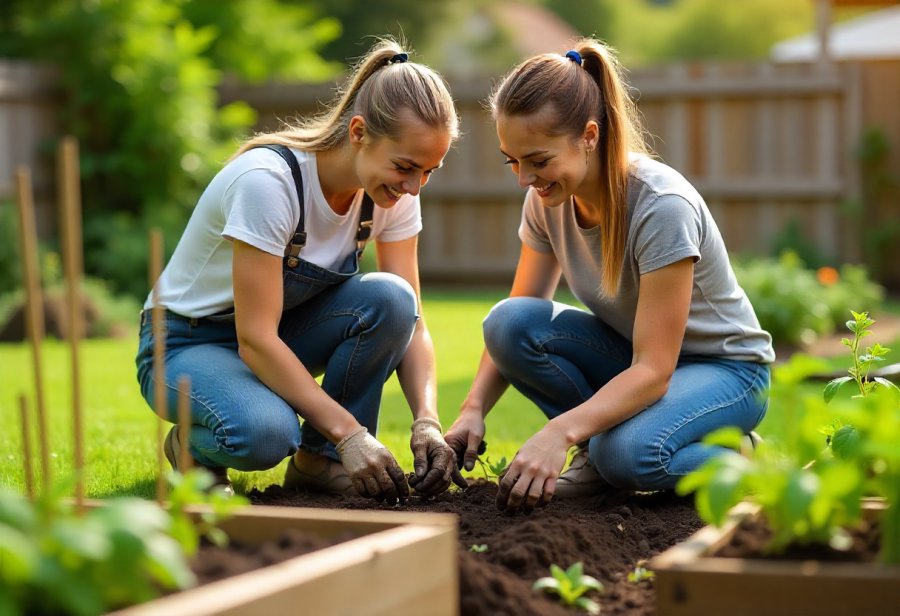
In a world dominated by screens and instant messages, genuine human connection can sometimes feel more elusive than ever. We’re often caught in a rush, distracted by notifications and the endless scroll, which makes it harder to truly slow down and be present with others. Gardening offers a simple yet powerful way to break this cycle—an activity that invites patience, attentiveness, and shared effort. When people work together to plant, water, or tend a garden, they tap into a universal act of nurturing that naturally encourages honest conversations and emotional openness.
Beyond just planting seeds, gardening helps us stay grounded in the moment. Paying attention to soil, plants, and growth fosters mindfulness, easing stress and anxiety. Sharing this mindful process with someone else transforms a solitary task into a bonding experience rooted in trust and mutual care. Whether tending a balcony herb garden or nurturing a community plot, these routines create meaningful connections that go beyond small talk.
Historically, gardens have served as healing sanctuaries across cultures—from ancient Egypt to Greece—highlighting their role as spaces for emotional renewal. Modern practices like horticultural therapy build on this tradition, emphasizing that working with nature can soothe the mind and strengthen social bonds. When we care for living things side by side, we develop empathy, patience, and responsibility—traits that extend well beyond the garden and into everyday relationships.
Research backs up what many gardeners instinctively feel: engaging with nature reduces cortisol levels, improves mood, and fosters resilience. When shared, these benefits multiply. Working together in green spaces encourages open communication, builds trust, and makes emotional exchanges more natural. Watching life flourish because of collective effort deepens feelings of achievement and connection, turning gardening into a powerful tool for emotional healing and relationship growth.
Gardening isn’t just about growing plants; it’s about cultivating patience, resilience, and empathy. It offers a gentle reminder that growth takes time, and that nurturing something living can help us nurture ourselves and others. As we tend to our gardens, we reconnect with ourselves and each other, creating a space for emotional renewal amid the busyness of modern life. In these moments, gardening becomes more than a hobby—it’s a quiet act of care that heals and unites.
Roots of Trust: Foundational Principles of Gardening and Relationship Building
Gardening has long been recognized as more than just a way to grow food or beautify a space; it’s a natural form of therapy that nurtures mental and emotional well-being. When you get your hands in the soil, you shift your focus away from daily stresses and into the present moment. This act of caring for plants cultivates patience and attentiveness, which can help manage anxiety and foster emotional stability. Regular engagement in gardening creates a calming routine that clears the mind and encourages resilience.
The true power of gardening reveals itself when shared. Working together to tend a garden builds cooperation and trust, laying a foundation for stronger emotional bonds. Caring for plants teaches empathy and responsibility, as each person’s effort influences the health of the whole. This shared effort generates a sense of accomplishment and mutual support, transforming routine chores into meaningful moments of teamwork and connection.
Historically, gardens have served as spaces for emotional renewal and healing. Cultures from ancient Egypt to Greece saw gardens as retreats for relaxation and rejuvenation. Modern practices like horticultural therapy extend this tradition, emphasizing gardening’s role in reducing depression, fostering social interaction, and instilling purpose. These principles highlight that nurturing, patience, and collaboration are at the core of gardening’s therapeutic benefits, helping develop resilience and emotional strength that reach beyond the garden.
Research consistently shows that engaging with nature lowers cortisol levels and boosts mood. When people work together in green spaces, these benefits multiply—trust deepens, communication improves, and shared success fosters a sense of belonging. Watching life flourish because of collective effort reinforces feelings of achievement and connection, making gardening a powerful tool for strengthening relationships and promoting emotional well-being.
Beyond its calming effects, gardening teaches resilience. The slow, unpredictable process of growth demands patience and acceptance—key skills for navigating life’s ups and downs. Caring for a garden reminds us that progress often takes time and effort, helping us develop emotional stability, especially during setbacks or stressful periods. The garden becomes a living metaphor for patience, resilience, and trust in the process.
Engaging with nature also offers a healthy outlet for emotional expression. Tending plants—watering, pruning, harvesting—provides a peaceful routine that can help release built-up tension. These shared acts of care reconnect us with ourselves and others, fostering a sense of shared purpose and emotional renewal. Gardening becomes a space where feelings can be processed constructively, strengthening bonds through mutual effort.
It’s worth noting that gardening isn’t a one-size-fits-all solution. Accessibility can be a challenge, but adapting practices—like container gardening or raised beds—makes participation easier for everyone. Inclusive approaches ensure that the healing and bonding benefits of gardening are available to all, regardless of space or physical ability. This flexibility emphasizes that the power of gardening to nurture human connection is universal.
In essence, tending a garden side by side is about more than growing plants; it’s about cultivating patience, empathy, and shared growth. As awareness of these benefits grows, so does the potential for gardens to serve as vital spaces for emotional healing and connection. Whether in private yards, community plots, or urban rooftops, the simple act of caring for life together reminds us that true growth—personal and relational—begins with a single seed and a shared hand.
Nature’s Embrace: How Gardening Calms the Mind and Strengthens Bonds
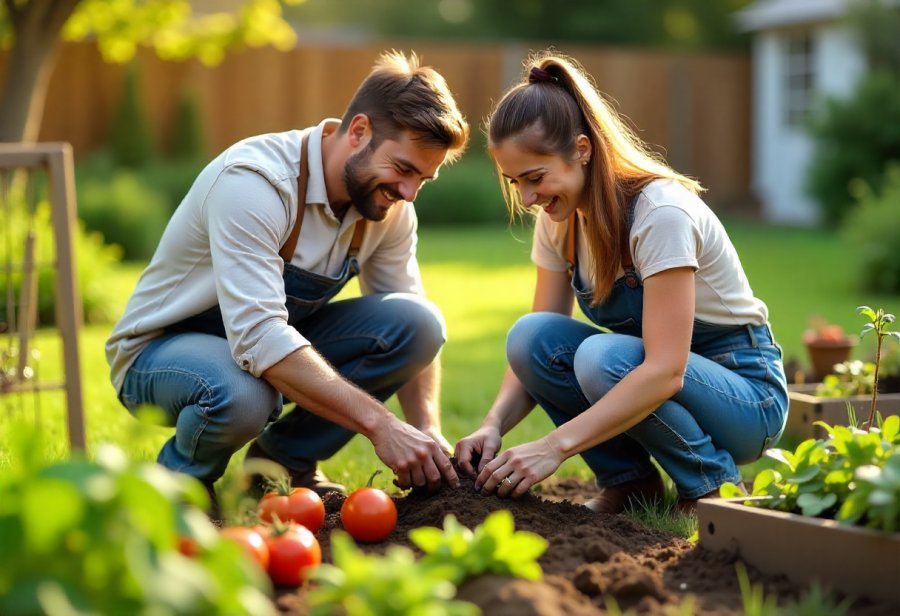
Gardening naturally calms the mind, offering a powerful way to regulate emotions and reduce stress. Engaging with plants—whether planting seeds, watering, or weeding—shifts focus from racing thoughts to tangible, physical actions. This mindfulness anchors us in the present, creating a sense of tranquility that soothes anxiety and emotional turbulence. When shared with others, these quiet moments deepen, transforming a solitary task into a meaningful experience rooted in trust and mutual care.
Working side by side in a garden encourages open communication and cooperation. As people tend to plants together, they learn to depend on each other’s efforts and judgment, fostering trust and empathy. This shared dependence not only enhances the quality of the activity but also lays the groundwork for stronger emotional bonds. Watching life flourish because of collective effort reinforces feelings of achievement and connection, making gardening a natural conduit for relationship strengthening.
Research confirms that group gardening significantly boosts emotional health. Spending time in green spaces lowers cortisol levels, the hormone linked to stress, while increasing feelings of happiness and relaxation. Sharing these experiences with loved ones or community members often results in improved communication and trust. The mutual success of nurturing plants together provides a sense of purpose and belonging that naturally nurtures emotional resilience.
Beyond immediate stress relief, gardening teaches patience and resilience. The slow, unpredictable process of growth requires us to accept setbacks and delays, cultivating emotional stability. Caring for a garden becomes a metaphor for life’s ups and downs, reminding us that progress often takes time and effort. This perspective builds resilience, helping us navigate life’s challenges with a calmer, more centered mindset.
Gardening also offers a healthy outlet for expressing complex emotions. The routine of watering, pruning, and harvesting provides a peaceful rhythm that can help process feelings of frustration, grief, or anxiety. As we tend to living things, we reconnect with ourselves and others, fostering a shared sense of purpose. These acts of care become a form of emotional release, strengthening bonds through mutual effort and understanding.
In today’s hurried world, the healing power of gardening offers a simple yet profound way to reconnect. It nurtures emotional balance, reduces stress, and builds trust through shared effort and patience. Tending a garden together becomes an act of caring that not only helps plants thrive but also cultivates human resilience and connection in a deeply meaningful way.
Growing Together: Practical Steps to Foster Connection Through Gardening
Transforming the idea of gardening as a bonding activity into reality starts with simple, intentional steps. Choose a project that excites both of you, whether it’s planting herbs on a balcony or nurturing a small vegetable patch. Setting clear goals keeps everyone motivated and provides a shared sense of purpose. Establishing a routine—such as dedicating time weekly or bi-weekly—turns gardening into a tradition, creating consistency and anticipation rather than a sporadic chore.
Communication is key to making these moments meaningful. Talk about responsibilities upfront—who will water, weed, or harvest—and encourage open dialogue as you go. Sharing thoughts, troubleshooting issues, and celebrating milestones deepen your connection and build trust. Having basic tools like trowels, watering cans, and gloves at hand makes the process smoother and more enjoyable, boosting confidence for everyone involved.
Look to real-world examples for inspiration. Community gardens transform empty plots into lively shared spaces, fostering teamwork and camaraderie through collective effort. Similarly, couples who start small vegetable gardens often find their communication and cooperation improving as they nurture life together. These shared experiences reinforce the idea that working side by side in nature nurtures both plants and relationships.
Adapting to different spaces and schedules is part of practical planning. Container gardening or vertical setups make gardening accessible for those with limited outdoor space. For busy schedules, setting small, achievable goals—like watering once a week—keeps the activity manageable and stress-free. Flexibility in responsibilities and tools ensures everyone can participate comfortably, making gardening inclusive and engaging.
Providing the right tools and resources can make a significant difference. Basic supplies such as trowels, pruners, and watering cans are essential, but adding educational resources like beginner guides or local workshops can boost skills and confidence. Joining community programs or urban gardening initiatives offers opportunities for shared learning, broadening the experience and reinforcing the collective spirit.
Fostering these small, consistent moments of shared activity builds a strong foundation for deeper bonds. Celebrating milestones—whether sprouting seedlings or blooming flowers—reinforces teamwork and mutual support. Over time, these routines cultivate trust, patience, and cooperation, transforming gardening from a simple hobby into a meaningful act of connection.
In the end, turning gardening into a bonding experience isn’t about perfection but about shared effort and growth. By nurturing life together, you nurture your relationship, creating lasting memories rooted in patience and care. These collective moments of tending to nature serve as gentle reminders that, with time and teamwork, emotional bonds can flourish just as surely as the plants in your garden.
Cultivating the Future: The Expanding Role of Gardens in Emotional Healing and Community Bonding
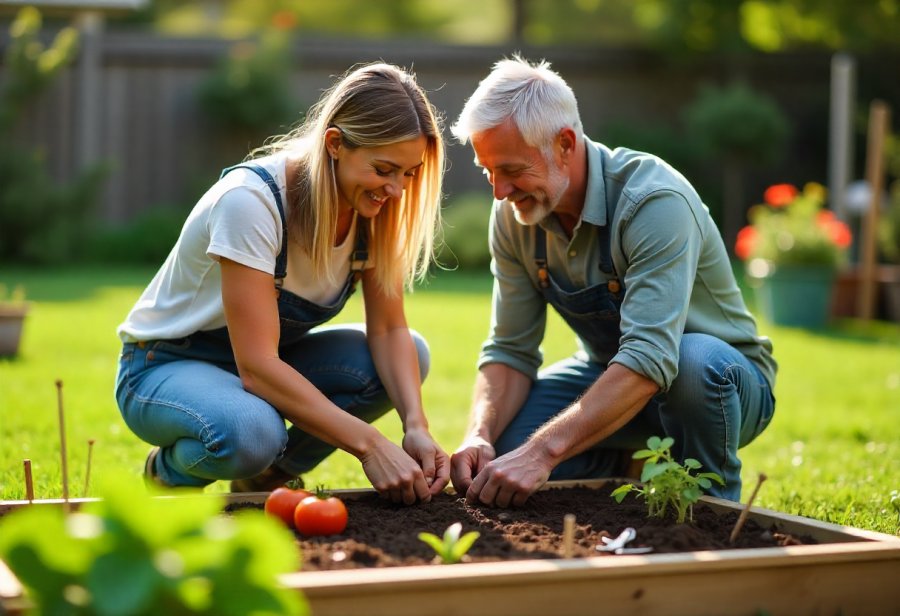
As awareness of gardening’s emotional and relational benefits grows, new trends are shaping how shared green spaces foster connection. Urban initiatives like rooftop farms and community gardens are making it easier for city dwellers to come together around a common purpose. These projects not only green neighborhoods but also serve as social bridges, helping diverse groups build trust and a sense of belonging. Meanwhile, the rise of therapeutic horticulture is integrating gardening into mental health programs, schools, and workplaces, emphasizing its role in fostering resilience and emotional well-being.
Looking forward, the future of garden-based bonding seems intertwined with community development and sustainability. Programs that promote collective care of shared spaces are expanding, often supported by local governments and nonprofits committed to mental health and social cohesion. Technology is also playing a role—virtual garden planning tools, remote monitoring apps, and online communities make gardening more accessible and engaging for everyone. These innovations help bridge physical and logistical barriers, ensuring that more people can experience the healing and connecting power of working with nature.
As urban environments become denser and digital interactions more prevalent, outdoor gardens and green spaces will serve as vital refuges for human connection. These spaces offer a tangible, calming counterbalance to the hurried pace of modern life. They foster trust, reduce loneliness, and create shared stories that strengthen social fabric. The potential for gardens to become hubs of community resilience and emotional support is growing, driven by fresh ideas and a collective desire to nurture genuine relationships through nature.
Inclusivity and accessibility will likely be central themes in future gardening efforts. Adapting gardens for all physical abilities and living situations ensures that everyone can participate in the benefits of shared cultivation. Small urban plots, container gardens, and community programs are expanding opportunities for involvement, reinforcing that the healing power of gardening is universal. This focus on inclusivity underscores the understanding that nurturing life together is a fundamental human need, regardless of space or circumstance.
In the end, tending a garden side by side remains a simple yet profound act of connection—an act that nurtures patience, empathy, and shared growth. As more people recognize this, gardens will continue to serve as quiet, powerful spaces for emotional healing and relationship building. Whether in private yards or bustling community plots, the act of caring for something living together reminds us that growth—personal and relational—begins with a single seed and a shared hand, offering hope and healing in an increasingly disconnected world.