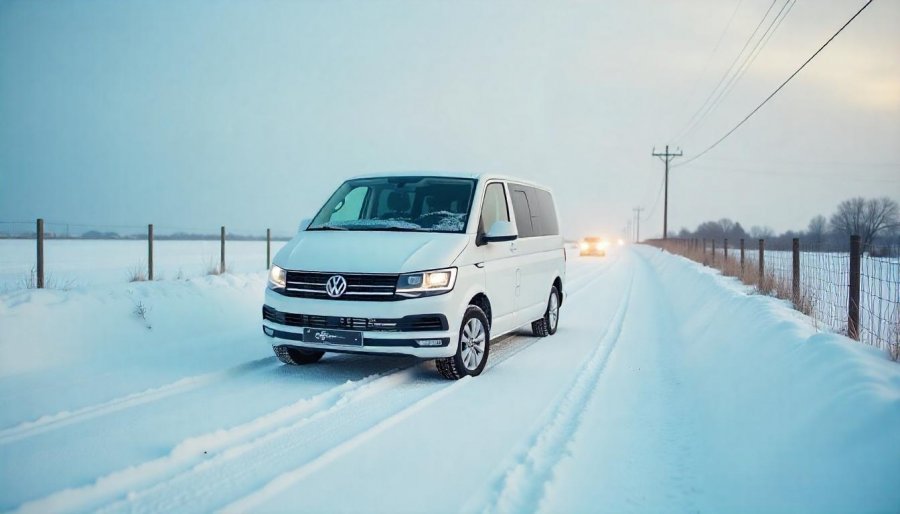
As winter’s chill descends, the question arises: are winter tires truly essential for safe driving on icy and snowy roads, or are they an unnecessary luxury? This exploration delves into the science behind winter tires—softer rubber compounds and aggressive tread patterns designed to maintain grip where standard tires falter. With icy surfaces drastically reducing traction, winter tires can be the vital difference between control and catastrophe. Scientific studies affirm their safety benefits, showcasing shorter stopping distances and enhanced handling. Yet, misconceptions persist—some believe all-season tires suffice, or that switching tires is inconvenient. The reality is that dedicated winter tires offer a crucial safety advantage, especially in regions prone to harsh conditions. Proper driving techniques combined with these specialized tires can turn treacherous winter roads into manageable terrain, making winter driving safer and more predictable. Is the investment worth the safety it provides? The evidence suggests it is.

Why Winter Tires Are Essential for Safer Roads
As winter draws near, many drivers begin to wonder if switching to winter tires is truly necessary. Cold weather doesn’t just bring a chill; it changes how vehicles behave on the road. Snow and ice make familiar routes more dangerous, increasing the chances of slips and skids. The right tires can make a noticeable difference by providing better grip and control when conditions worsen. Some see winter tires as a seasonal luxury, while others view them as a crucial safety tool. This article explores whether winter tires genuinely enhance your vehicle’s safety during icy months or if their benefits are overstated. Understanding their role helps you make smarter decisions for winter driving.
Building a Foundation: Tire Types and Winter Road Dynamics
To understand why winter tires are essential, it’s helpful to know the different types available. Summer tires excel in warm, dry conditions but become stiff and lose grip as temperatures drop. All-season tires aim to handle various weather, yet their performance diminishes in severe winter conditions. Winter tires are specially crafted with softer rubber that remains flexible below freezing, ensuring better contact with icy surfaces. Their deeper, more aggressive tread patterns with biting edges are designed to grip snow and slush effectively. Recognizing these differences clarifies why switching tires in winter makes a real safety difference, not just a seasonal upgrade. It’s about maintaining traction when conditions turn dangerous.
What Are Winter Tires and How Do They Differ? And Why Do They Matter?
Winter tires are specifically designed to perform in cold, icy, and snowy conditions, setting them apart from all-season or summer tires. Their key feature is a softer rubber compound that stays flexible even at freezing temperatures, which helps them grip icy and snowy surfaces more effectively. Summer tires, by contrast, are made from harder rubber that hardens in cold weather, reducing traction and increasing the chance of slipping. All-season tires aim to handle a variety of weather but often fall short in severe winter conditions. Winter tires also have deeper tread patterns with more biting edges, which help cut through snow and slush to improve grip. This specialized design ensures better contact with the road during winter’s toughest conditions, providing a critical safety advantage.
The Impact of Ice and Snow on Your Vehicle’s Grip
Ice and snow dramatically reduce a vehicle’s traction, turning familiar roads into hazards. Ice creates a nearly frictionless surface, making even gentle acceleration or braking risky. Tires struggle to grip these slick patches, increasing the likelihood of slips and loss of control. Packed or deep snow further diminishes traction, as tires cannot bite into the surface effectively. Without proper tires, standard rubber slips easily on icy or snowy terrain, raising the chances of skidding or collisions. Recognizing how these conditions impair grip highlights the importance of specialized winter tires, which are designed to excel where regular tires falter. Their ability to bite into ice and snow can be the difference between staying safe and losing control.
Physics of Vehicle Handling: Mastering Control in Cold Weather
During winter, the physics of vehicle handling change significantly. Cold temperatures cause rubber tires to harden, reducing their ability to conform to uneven or slick surfaces. This loss of flexibility diminishes traction, making acceleration, steering, and braking less predictable and more prone to slipping. On icy patches, tires struggle to grip, increasing the risk of skidding or losing control. Winter tires counteract these issues with softer rubber compounds that stay pliable in low temperatures, maintaining better contact with the road. Their tread patterns, featuring deeper grooves and biting edges, help grip snow and ice more effectively. Smooth, deliberate movements become essential to stay safe and prevent slips.
Debunking Myths: Separating Fact from Fiction About Winter Tires
Many drivers believe all-season tires are enough for winter, but that’s a misconception. All-season tires are designed to handle a range of conditions, yet they tend to harden in freezing temperatures, losing traction on icy or snowy surfaces. This makes them less effective than dedicated winter tires, which stay softer and grip better when it matters most.
Another common myth is that winter tires are only necessary in extremely cold regions. In reality, even milder winters can bring icy patches and snow, making winter tires a smart safety choice regardless of climate. Some think they’re just an expense, but the safety benefits—shorter stopping distances and better control—can prevent costly accidents.
Some believe you only need winter tires if you drive in snow regularly. However, icy patches often form even without snow, and standard tires can’t reliably handle these slick surfaces. Winter tires improve grip on ice, reducing the risk of slipping and skidding in everyday driving.
There’s also a misconception that switching to winter tires is a hassle. In fact, modern tire services make it quick and easy to swap tires seasonally. Proper storage and maintenance extend their lifespan, making the investment worthwhile for safer winter driving.
Some drivers assume all tires perform equally once temperatures drop. But without proper rubber compounds and tread designs, standard tires lose their grip, increasing accident risk. Winter tires are specifically engineered to maintain traction in cold, icy conditions, which standard tires simply cannot match.
Believing winter tires are a luxury rather than a necessity can lead to dangerous complacency. The data shows they significantly reduce stopping distances and improve vehicle control. Ignoring this safety upgrade could be the difference between a safe trip and a costly crash.
Understanding the truth behind these myths helps drivers make informed decisions. Winter tires aren’t just an accessory—they’re a vital safety tool that provides real protection when winter weather hits hard. Relying on outdated beliefs can put you and others at unnecessary risk on icy roads.
Scientific Insights: The Real Safety Benefits of Winter Tires
Scientific studies consistently demonstrate the clear safety advantages of winter tires. Tests show that vehicles equipped with them can stop up to 30% faster on icy roads compared to those with all-season or summer tires. This shorter stopping distance directly reduces the likelihood of accidents during winter conditions. Beyond braking, winter tires improve steering stability and provide better control on snow and packed ice, making driving less stressful and more predictable. Real-world crash data supports these findings, showing fewer accidents when winter tires are in use. Their specialized design offers a tangible safety benefit, especially when icy surfaces threaten driver control. The evidence strongly supports investing in winter tires for safer, more confident winter driving.
Key Features of Winter Tires That Enhance Safety and Control
Winter tires are vital for enhancing safety on icy and snowy roads. Their tread patterns, with deeper grooves and more biting edges, help cut through slush and snow while effectively channeling water away. This design minimizes hydroplaning and ensures better grip, giving drivers more control in challenging conditions. The softer rubber compounds in winter tires remain flexible at low temperatures, maintaining superior contact with icy surfaces where regular tires harden and slip. Combined, these features translate into shorter stopping distances and more precise steering, making vehicle handling more reliable. Equipped properly, vehicles become more stable and predictable, allowing drivers to respond quickly and confidently to winter hazards. Good traction and control are the foundation of safe winter driving.

Safety Features in Winter Tires: Designed for Better Grip and Confidence
Winter tire safety features are centered around their specialized tread design and rubber compounds, both crafted to enhance grip in cold and icy conditions. The deeper grooves and numerous biting edges in their tread help cut through snow and slush, channeling water away to reduce hydroplaning risks. These features ensure better traction and control when driving on slick surfaces. The softer rubber compounds remain flexible in freezing temperatures, maintaining consistent contact with the road where standard tires harden and slip. This flexibility translates into shorter braking distances and more precise steering. Together, these elements provide a robust safety advantage, giving drivers increased confidence and stability during winter’s most challenging conditions. Properly designed, winter tires make a crucial difference in navigating icy roads safely.
Weighing Cost Against Safety Gains of Winter Tire Investment
Investing in winter tires typically involves a cost ranging from a few hundred to over a thousand dollars for a full set. While that may seem substantial upfront, it’s a small price compared to the safety benefits they provide. Scientific tests show that winter tires can reduce stopping distances by up to 30% on icy roads, which can prevent accidents and costly repairs. Additionally, they improve control and steering, lowering the risk of slips and collisions. Modern tire services make seasonal swaps quick and convenient, and proper storage extends their lifespan. In regions with harsh winters, this safety boost often justifies the expense, offering peace of mind and reduced potential costs from winter crashes.
Innovations in Winter Tire Technology: Advances for Better Safety
Recent advances in winter tire technology are transforming winter driving safety. Multi-cell rubber compounds now stay pliable even in the coldest weather, significantly enhancing grip on icy and snowy surfaces. Tire manufacturers are pioneering adaptive tread patterns that adjust to various winter conditions, whether packed snow or slushy pavement, ensuring optimal traction at all times. Innovations like studless ice grips provide stability without damaging roads, offering a safer alternative to traditional studded tires. Additionally, silica-enhanced rubber improves both durability and handling in wet and icy conditions, making tires more reliable and long-lasting. These technological strides give drivers increased confidence and control, turning winter roads from unpredictable hazards into manageable terrain.
Practical Tips for Safe Winter Driving
Driving safely in winter starts with proper preparation. Make sure your vehicle is equipped with quality winter tires, as they provide the best grip on icy and snowy roads. Check that your tires have sufficient tread depth and are in good condition to effectively channel slush and water away. Reducing your speed gives your tires more time to grip the surface, making it easier to avoid slips. Maintain a longer following distance to allow for safe stopping. Gently accelerate and brake to prevent skidding, especially on icy patches. Clear all windows and mirrors of ice and snow before driving to maximize visibility. Good visibility and smooth movements are key to responding effectively to winter hazards.
Focus Points for Safe Winter Road Navigation
Winter tire focus points are central to understanding how they improve safety on icy and snowy roads. Their tread patterns, with deeper grooves and numerous biting edges, are designed to cut through slush and snow while channeling water away. This design minimizes hydroplaning and ensures better grip in challenging conditions. The softer rubber compounds used in winter tires stay flexible at low temperatures, maintaining contact with icy surfaces where standard tires harden and slip. This combination of tread depth and rubber chemistry significantly shortens braking distances and enhances steering precision. Properly equipped, vehicles become more stable and predictable, allowing drivers to respond confidently and quickly to winter hazards. Ultimately, these features make winter tires a crucial tool for safer winter driving.
Strategies for Maintaining Traction on Icy Surfaces
Maintaining traction on icy surfaces requires more than just good tires; it depends on how you drive as well. Reducing your speed is essential, giving your tires more time to grip the slick surface and helping you avoid slips. Gentle acceleration and braking prevent sudden loss of control, especially on patches of ice. Winter tires, with their softer rubber and deeper tread patterns, are designed to bite into icy patches, providing superior grip. Steering should be slow and deliberate—turning into a skid rather than fighting it helps you regain control. Stay alert for hidden icy spots, particularly on bridges, shaded areas, or after dark, and adjust your driving accordingly to stay safe.
Practical Tips to Prevent Icy Road Accidents
Driving safely on icy roads requires your full attention and careful planning. Reducing your speed is the most effective way to give your tires more grip and allow better control. Slow, steady acceleration prevents sudden slips, especially on slick patches. Gently braking helps avoid skidding and keeps your vehicle stable. Winter tires with their softer rubber and deeper treads are designed to bite into ice, providing essential traction. Always stay alert for hidden icy spots, like shaded areas or bridges, which freeze first and melt last. Keep your windows clear of snow and ice to ensure maximum visibility. Remaining calm and deliberate with your movements is key to navigating icy conditions safely.
Techniques to Maintain Vehicle Control During Winter
Maintaining control during winter driving hinges on how you adapt your habits to icy and snowy conditions. Smooth, deliberate movements—such as gentle acceleration, steady steering, and gradual braking—are essential to prevent slips and spins. Using winter tires with softer rubber and specialized tread patterns provides better grip, but technique plays an equally important role. Applying inputs gradually helps maintain traction and stability on slick surfaces. Keep your steering slow and controlled, turning into a skid rather than fighting it, to help regain control. Increasing following distances offers more reaction time, reducing the likelihood of accidents. Staying calm and focused allows you to respond effectively to unexpected hazards, keeping you safer on treacherous roads.

Final Recommendations: Prioritize Winter Tires for Safer Journeys
Equipping your vehicle with winter tires is a proven way to boost safety during cold and icy months. Their specialized tread patterns and rubber compounds provide superior grip, helping you stop faster and steer more confidently on slippery surfaces. This added control can make the difference between a safe journey and a costly accident. While there’s an upfront cost, the safety benefits and peace of mind they deliver are well worth it, especially in regions prone to harsh winter conditions. Remember, no tire can eliminate all risks, but winter tires significantly reduce them. By combining proper tire choice with cautious driving habits, you create a safer, more predictable driving experience through winter’s toughest days. Prioritizing winter tires isn’t just smart—it’s essential for protecting yourself and others on the road.