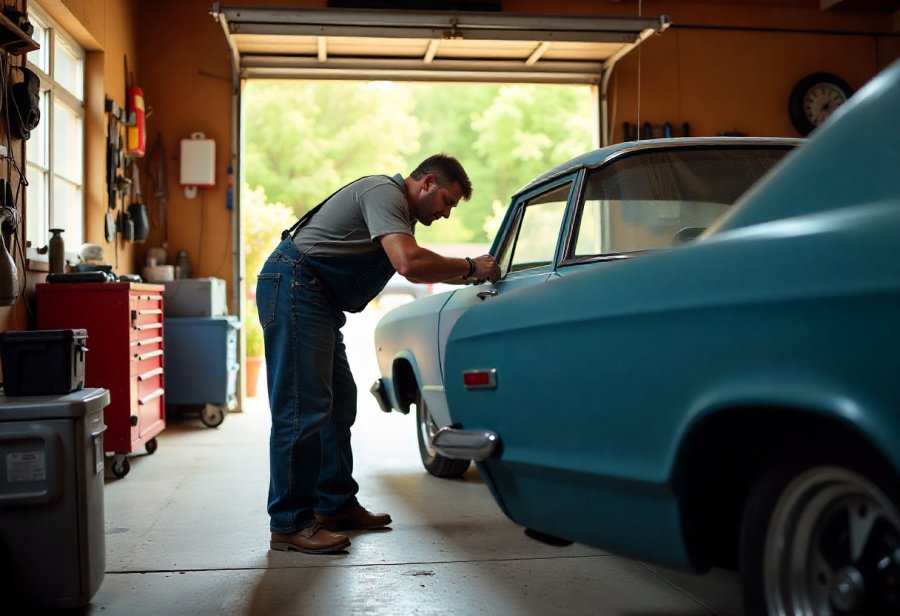
The Dodge Charger embodies the raw power and rebellious spirit of American muscle cars, captivating enthusiasts with its storied history and iconic design. From its late-‘60s roots to modern high-performance models like the SRT Hellcat, it’s a symbol of speed, individuality, and defiance. But what truly ignites the road’s primal instincts? Is it its thunderous engines, aggressive styling, or its cultural legacy inspiring Hollywood classics and street racing legends? This legendary vehicle seamlessly blends tradition with innovation, evolving through generations while maintaining its core essence—power, attitude, and independence. As technology advances, the Charger faces the challenge of preserving its rebellious core while embracing sustainability and cutting-edge engineering. Will it continue to inspire new generations with its fierce legacy, or will modernization dilute its primal identity? One thing is certain: the Charger remains a captivating movement—a testament to American muscle’s enduring allure and an unyielding call to push limits and carve your own path.
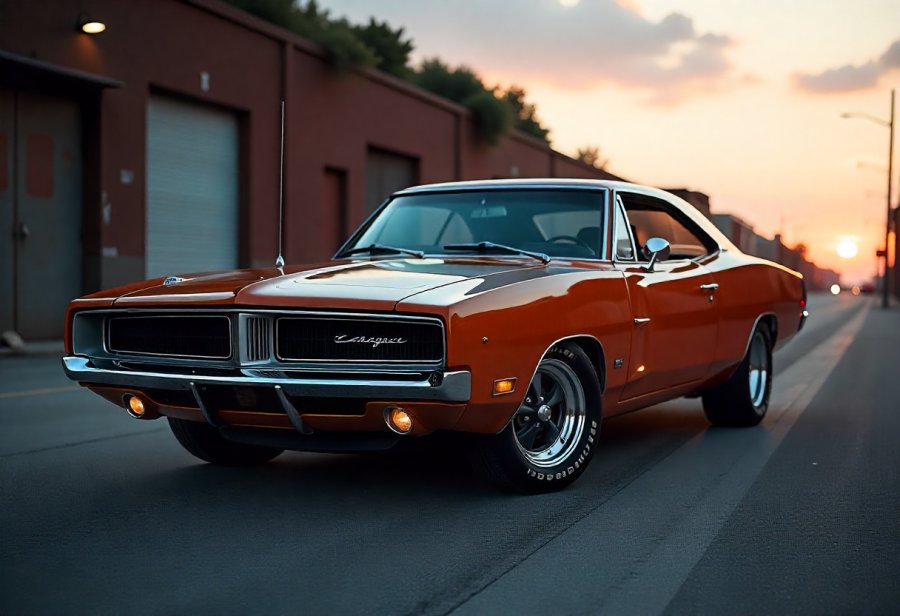
Unleashing the Legend: The Dodge Charger’s Iconic Spirit
Few cars evoke the spirit of American muscle quite like the Dodge Charger. Since its debut in the late 1960s, it has become more than just a vehicle—it’s a symbol of rebellion, freedom, and unrelenting power. Its bold, muscular design and thunderous engines instantly set it apart, making it a standout icon on streets, screens, and car culture alike.
What truly cements the Charger’s legendary status is its deep-rooted presence in American identity. Whether flashing across the big screen in classics like “Bullitt” or starring in shows like “The Dukes of Hazzard,” the Charger has long been associated with the rebel’s lifestyle. Driven by Hollywood antiheroes and street racers, it’s a machine built for those who refuse to follow the crowd. Its roaring engine and aggressive stance evoke primal instincts—speed, dominance, and the thrill of the open road.
Over the decades, the Charger has evolved through multiple generations, each pushing the boundaries of design and performance. From the sleek, fastback look of the original models to today’s high-tech versions like the SRT Hellcat, it has maintained that unmistakable muscular aesthetic. Its legacy is rooted in street racing culture, yet it continues to adapt, blending raw power with modern engineering to stay relevant in a changing automotive landscape.
Beyond its looks and performance, the Charger embodies resilience and independence. It stands as a statement of individuality, a badge of defiance against conformity. Its thunderous roar and commanding presence serve as a cultural badge of honor—an invitation to express oneself boldly. For many owners, it’s more than a car; it’s a way to carve their own path and embrace a rebellious spirit that refuses to fade.
The Charger’s influence extends well beyond the asphalt. It’s woven into American pop culture, inspiring generations of enthusiasts and symbolizing the pursuit of unrestrained freedom. More than just a muscle car, it’s a movement—an enduring icon of American rebellion and primal road power that continues to ignite the road’s primal instincts.
From Roots to Roads: Tracing the Dodge Charger’s Evolution
The story of the Dodge Charger begins in the late 1960s, amid America’s muscle car boom. Dodge aimed to create a vehicle that combined sleek design with raw performance, and in 1966, the Charger was born. Its fastback silhouette and long, aggressive hood immediately set it apart, signaling a new level of style and power. From the start, it was designed to appeal to drivers craving speed and rebellion, embodying a spirit that would define muscle cars for decades.
Early models like the 1968 and 1969 Chargers became instant legends, thanks to their lightweight frames and potent V8 engines. The 426 HEMI and 440 Magnum engines made these cars formidable street machines, capable of dominating both the asphalt and street racing scenes. Their bold styling—wide stance, sculpted lines, and distinctive grille—created an unmistakable presence that still turns heads today. Hollywood’s love for the Charger, especially in classics like “Bullitt,” cemented its reputation as a cinematic icon of speed and attitude.
Throughout the 1970s, the Charger continued to evolve, with performance variants like the R/T and Super Bee pushing horsepower into new territory. These models became symbols of American muscle’s golden age, blending fierce aesthetics with relentless power. However, rising insurance costs, changing emissions regulations, and shifting consumer tastes gradually slowed muscle car production in the 1980s and early 1990s. Yet, Dodge never forgot its iconic nameplate, keeping the Charger alive in the background.
The revival came in 2006, when Dodge reintroduced the Charger with a modern look inspired by its classic roots. It combined retro styling cues with contemporary technology, quickly capturing the attention of enthusiasts and new fans alike. This reinvention set the stage for a new era of performance, blending tradition with innovation. Models like the R/T and the high-performance SRT variants brought renewed excitement and demonstrated that the Charger still had its muscle car edge.
From 2015 onward, Dodge took the Charger to new heights with the SRT Hellcat, boasting over 700 horsepower. These modern beasts fused classic muscle car aesthetics with cutting-edge engineering—advanced suspensions, performance brakes, and supercharged engines—ensuring it remained a street racing icon. Each generation has built on the last, pushing boundaries while honoring the car’s roots.
Throughout its history, legendary figures and racing icons helped shape the Charger’s identity. Designers like Carl Cameron crafted its muscular lines, while racing legends and Hollywood stars helped elevate its image. The Charger became more than a car; it was a symbol of American ingenuity, resilience, and rebellion. Its evolution reflects a constant balance between honoring its heritage and embracing technological progress.
Today, the Dodge Charger stands as a testament to American muscle’s enduring appeal. From its roots in the muscle car revolution to its modern, high-performance incarnations, it remains a powerful icon that continues to inspire. Its rich history is a story of innovation, resilience, and rebellious spirit—an automotive legend that shows no signs of fading.
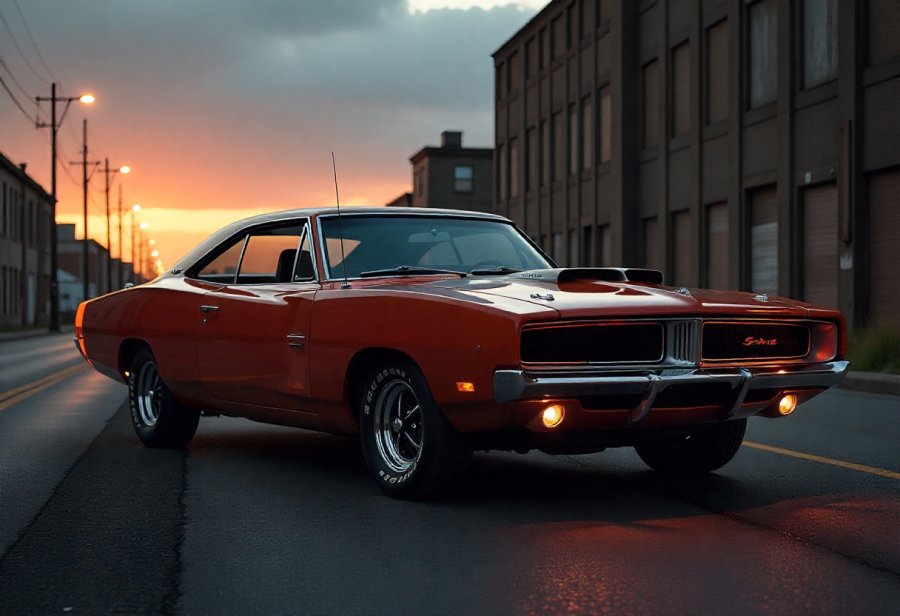
Core Power and Attitude: What Defines the Dodge Charger
The Dodge Charger’s core identity is rooted in raw performance and bold design, both of which fuel its reputation as a true muscle car. At its heart lie powerful engines like the legendary HEMI V8 and supercharged variants, capable of delivering instant torque and exhilarating acceleration. These engines are more than just numbers—they embody a primal drive for speed and dominance, roaring to life and signaling that this is a machine built to push limits and dominate the road.
Visually, the Charger’s muscular stance and aggressive styling reinforce its muscle car status. Its wide body, pronounced wheel arches, and sharp lines create an imposing presence that commands attention. Every detail, from the broad grille to the sculpted hood, is crafted to evoke strength and speed. This commanding aesthetic isn’t just for show; it’s a visual declaration of attitude and power, designed to turn heads and intimidate the competition.
Performance isn’t solely about engine power—it’s about how that power is harnessed and controlled. The Charger’s chassis and suspension are tuned for stability and agility at high speeds, ensuring confidence whether barreling down straightaways or navigating tight corners. Advanced braking systems and precise handling characteristics allow drivers to feel in control even when pushing their limits. This balance of brute force and refined control is what makes the Charger a street-racing beast with everyday usability.
The spirit of rebellion is woven into every aspect of the Charger’s identity. It stands as a symbol of defiance against conformity, celebrating individuality and the desire to stand out. The thunderous engine notes and aggressive visual cues serve as a cultural badge of honor—an invitation for owners to express themselves boldly and unapologetically. The Charger’s attitude isn’t just for aesthetics; it’s embedded in its very DNA, making it a statement piece on the street.
Modern models continue to uphold these fundamental principles while embracing technological advancements. Features like launch control, adaptive suspensions, and performance-tuned drivetrains ensure that the Charger’s raw power translates into a thrilling yet manageable driving experience. This seamless blend of performance and innovation keeps the Charger relevant, maintaining its reputation as a primal yet cutting-edge muscle car.
At its core, the Dodge Charger embodies a relentless pursuit of power and attitude. Every element, from its roaring engine to its aggressive styling, is designed to stir primal instincts—speed, dominance, and freedom. It’s a vehicle that moves beyond transportation, becoming an extension of its driver’s desire to push boundaries and carve their own path.
What truly sets the Charger apart is its ability to balance unfiltered power with everyday practicality. It’s a car that can roar on the track and still serve as a reliable daily driver. That versatility, combined with its iconic design and rebellious spirit, ensures that the Charger remains a symbol of American muscle—timeless, fierce, and forever ready to ignite the primal road power within us all.
Living the Legend: The Charger’s Role in Culture, Customization, and Street Life
The Dodge Charger’s legend extends well beyond its impressive design and roaring engines; it’s a true reflection of how this muscle car resonates in everyday life and the wider car culture. For many enthusiasts, owning a Charger isn’t just about speed—it’s a declaration of independence and a way to stand out. Whether cruising city streets or stretching out on the highway, its commanding presence turns heads and sparks conversations, embodying primal road power and a rebellious attitude that’s hard to ignore.
Customization plays a big role in maintaining this connection. Owners frequently modify their Chargers with performance upgrades, bold wraps, or exhaust systems that amplify its signature growl. These tweaks transform each vehicle into a personal statement—an extension of its owner’s style and spirit. The Charger’s versatility allows it to be both a practical daily driver and a weekend adrenaline machine, making it a favorite for those who want performance with purpose.
Driving a Charger feels like tapping into a long-standing tradition of pushing boundaries. Its aggressive stance and thunderous engine sounds evoke primal instincts—speed, dominance, and freedom. Many owners describe their Charger as more than just transportation; it’s a companion that reflects their personality, confidence, and desire to break free from the ordinary. The car’s presence in movies, music videos, and street racing scenes only amplifies its image as a symbol of American rebellion.
Throughout its evolution, the Charger has become a cultural icon embraced by a vibrant community of fans and car clubs. Enthusiasts gather at shows, share restoration tips, and swap stories about their own muscle car adventures. Online forums and social media groups keep the spirit alive, fostering camaraderie and celebrating the car’s storied history. This collective passion ensures that the Charger’s legacy remains dynamic and relevant, inspiring new generations to embrace their primal instincts.
The Charger’s influence also extends into pop culture, where it’s symbolized as much by its visual presence as its roaring engine. Movies like “Bullitt” and countless music videos have immortalized its image, reinforcing its role as an icon of speed and rebellion. For many, owning a Charger isn’t just about owning a car—it’s about inheriting a piece of American muscle history and carrying it forward into their own lives.
As the Charger continues to evolve, it remains a powerful symbol of raw American muscle and defiance. Its presence on the street and screen captures a collective desire for freedom, power, and individuality. Whether driven by nostalgia or a craving for the primal thrill, owning or simply appreciating a Charger connects people to a legacy rooted in rebellion and relentless road dominance.
In the end, the Dodge Charger isn’t just a vehicle—it’s a movement. Its legacy of raw power, customization, and cultural influence embodies the spirit of American muscle. It invites drivers to push their limits, express their identity, and keep the primal road power alive. The Charger’s story is ongoing, fueled by passion and the unyielding drive to carve one’s own path on the open road.
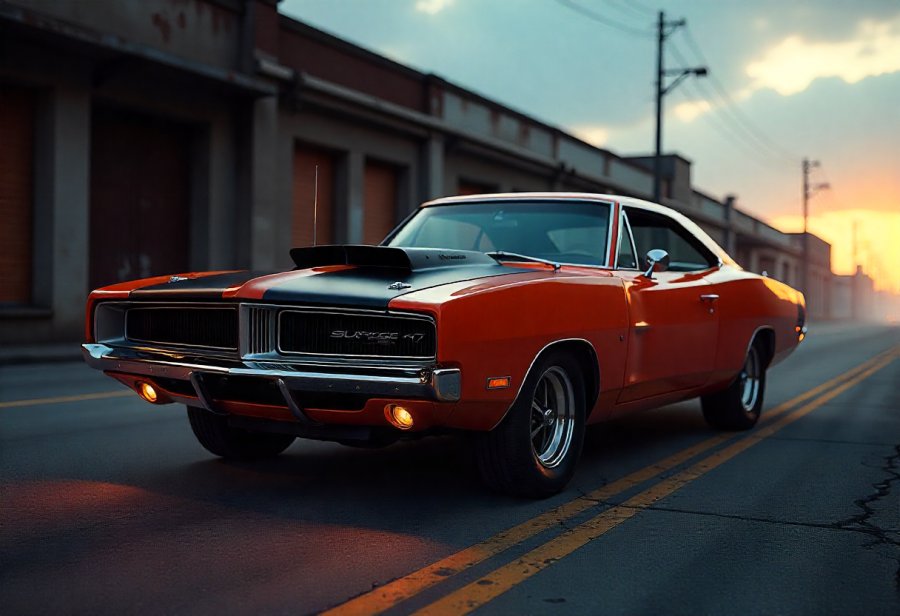
Driving Forward: The Future of the Dodge Charger and Its Enduring Rebellion
The Dodge Charger’s place in American culture remains as influential as ever, symbolizing the enduring spirit of muscle and rebellion. Its bold design, thunderous engines, and storied history have solidified its status as an icon that continues to inspire both enthusiasts and street racers alike. As automotive technology advances, the Charger’s legacy adapts without losing its primal edge, seamlessly blending tradition with innovation to stay relevant in a rapidly changing landscape.
Looking ahead, Dodge faces the challenge of honoring that rebellious core while embracing new technological possibilities. Future models are expected to incorporate hybrid or electric systems that deliver instant torque and exhilarating acceleration, wrapped in the same muscular package that fans have come to love. This evolution aims to keep the Charger at the forefront of performance, proving that raw power can coexist with sustainability and cutting-edge engineering.
Despite these technological shifts, the essence of the Charger as a symbol of American muscle remains intact. Its aggressive styling and roaring engine notes serve as a visceral reminder of primal instincts—speed, dominance, and freedom—that continue to resonate deeply. This commanding presence on the street and screen reinforces its role as a cultural icon, inspiring new generations to embrace their own primal drive and push boundaries.
The ongoing balance between innovation and tradition will shape the Charger’s future. Dodge’s commitment to preserving its legendary status while integrating safety and environmental features will determine how well it sustains its legendary appeal. The goal is to ensure that each new generation can experience the same visceral thrill, even as the automotive world evolves around them. The Charger’s story is one of resilience, powered by the unyielding desire to carve a path driven by primal instincts.
Ultimately, the Dodge Charger is more than just a muscle car; it’s a movement rooted in rebellion, power, and freedom. Its legacy extends beyond the road into pop culture, inspiring countless stories of speed and defiance. As new models continue to push limits, the Charger’s core spirit—raw, fierce, and rebellious—will remain unchanged. It stands as a testament to American muscle’s timeless appeal, ready to ignite the primal instincts of drivers for generations to come.