




The backyard mechanic’s garage is more than a simple workspace; it’s a sanctuary where passion, craftsmanship, and patience intertwine. But what secrets lie behind this ritual of restoring vintage machines? It’s a space teeming with organized chaos—tools, parts, and memories—that reflects a deep-rooted DIY ethos and a personal journey of mastery. As technology advances, these garages evolve, blending traditional skills with modern diagnostics and tools, yet maintaining the soulful connection to craftsmanship. Could this humble retreat truly harbor the secrets to mastery and innovation? For enthusiasts, every bolt tightened and project completed becomes a story of perseverance and pride. It’s a space that nurtures growth, community, and a resilient love for vintage cars—challenging us to ask: what’s the true magic behind the quiet, focused ritual of the backyard mechanic?
Transforming Your Backyard Garage into a Sanctuary of Passion and Craftsmanship
The backyard garage is more than just a space to park a car or store tools—it’s a personal sanctuary where passion for engines and craftsmanship comes alive. For many enthusiasts, this is their retreat from the hustle of daily life, a dedicated corner where they can focus on projects that matter deeply to them. Whether restoring a vintage vehicle or tuning an engine, the garage transforms into a workshop of dreams, patience, and skill. It’s a place where time slows down, allowing moments of mindfulness amid the sounds of tools and the scent of oil.
This space isn’t just about fixing cars; it’s about forging a connection between the mechanic and their machine. Every bolt tightened and every part polished reflects love and dedication. Over the years, the garage becomes a canvas for creativity—an environment where problem-solving and hands-on work turn routine repairs into meaningful rituals. As projects progress, the space evolves alongside the owner’s growing skills and changing ambitions, mirroring their journey of mastery.
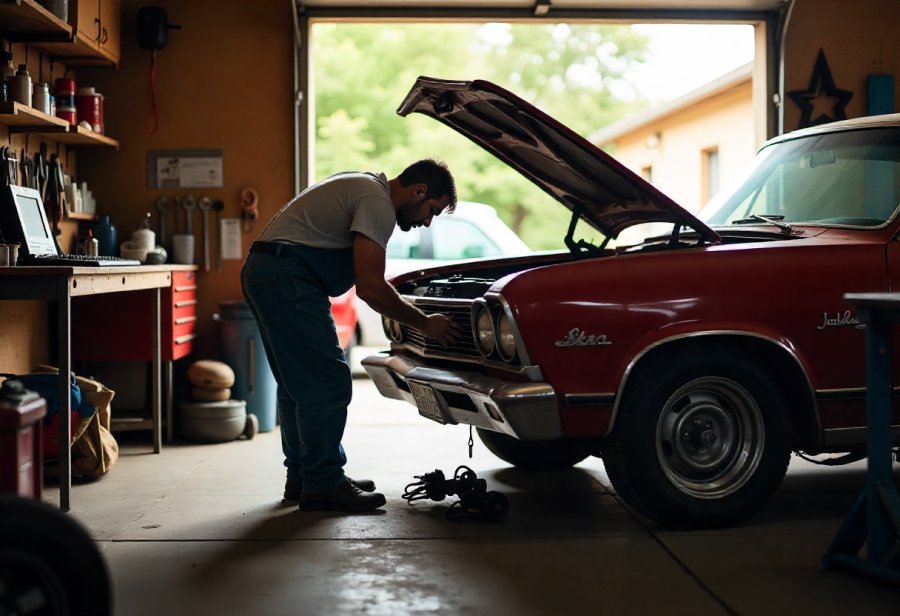
A typical backyard mechanic’s garage is a carefully curated environment—organized chaos that balances practicality with personality. A sturdy workbench often dominates the space, cluttered with hand tools like wrenches and screwdrivers, all within easy reach. Pegboards and shelves line the walls, holding spare parts, lubricants, and supplies, creating an efficient yet personalized layout. Bright lighting ensures detailed work is possible, while durable flooring withstands daily wear from oil spills and dropped tools. This setup is adaptable, constantly evolving as projects come and go, reflecting the mechanic’s current focus.
Beyond its physical layout, the roots of this passion run deep in a tradition of DIY culture and personal craftsmanship. Long before professional repair shops, enthusiasts tinkered in driveways and backyards to reconnect with their vehicles. Driven by independence, affordability, and a love for history, they built spaces where they could understand and improve their machines. Over time, this spirit fostered communities sharing tips, tools, and stories, transforming simple garages into creative workshops. Today’s backyard garages honor that legacy while embracing new tools and techniques.
At its core, the backyard garage is a reflection of its owner—an extension of their personality and journey. It’s a space where patience is a virtue and every challenge becomes a lesson. Every project, big or small, deepens the bond between mechanic and machine, turning each repair into a craft. This environment nurtures continuous learning, keeping the passion alive and inspiring new ideas. In the end, it’s not just about restoring cars—it’s about cultivating a lifelong love for craftsmanship that endures across generations.
Designing the Perfect Space: Structure and Setup of Your Home Garage
A backyard mechanic’s garage isn’t just a random collection of tools and parts; it’s a carefully designed space that balances function with personality. The centerpiece is usually a sturdy workbench, cluttered yet organized, where wrenches, screwdrivers, and pliers are kept within easy reach for quick access. Walls are often lined with pegboards or shelves, holding spare parts, lubricants, and cleaning supplies—each item placed deliberately to streamline workflow. Durable concrete flooring provides a solid foundation, ready to withstand oil spills, dropped tools, and heavy equipment, making daily work safer and more efficient.
Lighting plays a vital role in these spaces. Bright, focused lights illuminate the work area, reducing eye strain and allowing detailed tasks to be performed with precision. Many garages also feature a small vehicle lift or jacks, essential for working underneath cars comfortably and safely. Over time, as projects evolve and skills deepen, these setups are continually reconfigured—tools are added, storage is reorganized, and work zones are optimized to match the mechanic’s growing ambitions. This adaptability keeps the space dynamic and aligned with current passions.
The roots of backyard car restoration are deeply embedded in a DIY ethos that predates modern repair shops. Enthusiasts long ago started tinkering in their driveways and backyards, driven by a desire for independence and a love of craftsmanship. They built spaces where they could understand their vehicles better, often customizing or even fabricating parts themselves. This hands-on approach fostered a sense of ownership and pride, transforming simple garages into creative workshops full of stories and traditions.
Communities of hobbyists emerged from these spaces, sharing tips, tools, and experiences. Over time, the garage evolved from a practical workspace into a reflection of its owner’s personality—vintage posters adorn the walls, handwritten notes and project plans clutter the shelves, and old magazines are kept for inspiration. While modern technology has introduced digital diagnostics and advanced tools, the core remains rooted in a passion for understanding and improving machines. These garages are as much about preserving a culture of craftsmanship as they are about fixing cars.
Despite technological advances, the essence of a backyard garage is its personal touch. It’s a space that adapts with its owner—every project, big or small, adds to a growing legacy of skill and passion. Organized chaos is part of the charm, a sign of countless hours spent learning and experimenting. Every bolt tightened and every engine tuned deepens the bond between mechanic and machine, turning routine repairs into acts of craftsmanship. This space isn’t just a workshop; it’s a sanctuary where patience, creativity, and love for vintage cars thrive.
Modern Perspectives: Embracing Tradition and Innovation in Backyard Restoration
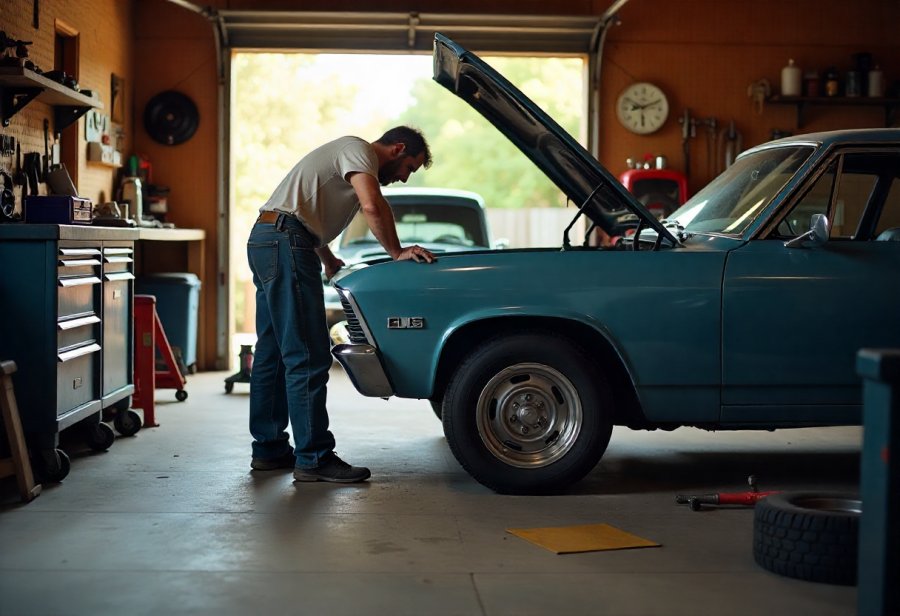
In recent years, the backyard garage has taken on new meaning as attitudes toward home-based car restoration continue to evolve. Once primarily seen as a nostalgic pastime, it now reflects a broader cultural shift towards responsible craftsmanship and environmental awareness. Enthusiasts are increasingly mindful of safety protocols and proper disposal of hazardous materials like oils, paints, and batteries, blending their passion with a sense of environmental responsibility. This awareness encourages a more disciplined approach, where quality and safety go hand in hand with the love of vintage revival.
Across different regions, the perception of backyard mechanics varies, shaped by local values and cultural influences. In the United States, the garage is often associated with independence and DIY spirit, especially within muscle car communities. European enthusiasts tend to emphasize precision and authenticity, approaching restoration as a form of art and respect for history. Meanwhile, in Japan, a unique blend of traditional craftsmanship and modern technology creates a culture that values meticulous detail alongside innovation. These regional differences enrich the global tapestry of backyard restoration, turning individual garages into expressions of identity and skill.
Media portrayals have played a significant role in shaping modern views. From television shows celebrating vintage car rebuilds to social media platforms where hobbyists share tutorials and project updates, the narrative has shifted from mere hobby to skilled craft. While many are inspired by these stories, it’s easy to overlook the effort and discipline behind the scenes. The glamour of a finished restoration can mask the patience, time, and safety precautions required. As the community grows, so does the emphasis on responsible practices, emphasizing that true mastery involves both skill and care.
Today’s backyard garages are also embracing technological advancements that expand what’s possible at home. Digital diagnostics, laser alignment tools, and even 3D printing have become accessible to dedicated hobbyists, elevating their projects to professional standards. These tools allow enthusiasts to achieve precision that once seemed reserved for commercial shops, fueling confidence and creativity. Yet, even with these innovations, the core remains rooted in a passion for understanding and improving machines—a testament to the enduring spirit of craftsmanship that drives backyard restoration.
Ultimately, the modern perspective on backyard garages reflects a balance between tradition and innovation. While technology enhances the scope of what can be achieved, it doesn’t diminish the foundational love for vintage machines and hands-on work. Instead, it fosters a dynamic environment where skills are continuously refined, knowledge is shared, and each project becomes a personal testament to patience and mastery. This evolving mindset keeps the backyard mechanic’s sanctuary vibrant, inspiring new generations to carry forward a rich heritage of craftsmanship.
Hands-On Guidance: Starting and Improving Your Garage Projects
Starting your garage project might seem overwhelming at first, but breaking it down into simple, manageable steps makes the process much more approachable. Begin by choosing a dedicated space—whether a corner of your existing garage or a cleared section of your driveway—and clear it thoroughly. Setting up a sturdy workbench is essential; keep your most-used tools like wrenches, screwdrivers, and pliers nearby so you can work efficiently without constant searching. An organized workspace not only saves time but also keeps frustration at bay, making your projects more enjoyable.
Picking a straightforward task to start with builds confidence quickly. Simple repairs like changing oil, replacing brake pads, or tuning an engine teach foundational skills and give a sense of accomplishment. Watching online tutorials or reading beginner guides provides clear instructions, helping you avoid mistakes and making the process smoother. As your skills grow, these small successes encourage tackling more complex projects with confidence.
Connecting with other enthusiasts can be a game-changer. Whether through online forums, social media groups, or local clubs, sharing experiences and asking questions accelerates learning. Most hobbyists are eager to lend advice or troubleshoot issues, saving you time and frustration. Learning from others’ successes and mistakes helps you develop better techniques and gain new insights into restoration.
Patience remains your best tool. Restoring or repairing a vehicle takes time, especially when starting out. Don’t rush; double-check each step and take your time to do things right. Rushing often leads to mistakes that can set back progress or cause damage. Instead, focus on enjoying the process—each bolt tightened or part polished adds to your growing skill set and makes the finished project all the more rewarding.
Safety should never be overlooked. Always wear protective gear—gloves, goggles, masks—when handling chemicals or working with heavy parts. Properly dispose of hazardous materials like old oil or batteries, respecting environmental guidelines. Rushing or neglecting safety precautions can lead to injuries or health issues, so make safety a priority in every step.
Supporting tools and resources can make a real difference. Keep a checklist of parts needed for each project and organize your storage to ensure everything is accessible. Manuals, online tutorials, or video guides can clarify tricky procedures, preventing costly mistakes. As skills develop, consider investing in specialized tools like torque wrenches or engine hoists; they open up opportunities for more ambitious projects and deepen your understanding.
Most importantly, enjoy the journey. Every challenge, setback, and small victory builds your mastery and fuels your passion. Taking your time, staying organized, and learning from each experience turn routine repairs into meaningful acts of craftsmanship. With patience and persistence, your garage becomes not just a workspace, but a personal sanctuary of growth and pride.
Celebrating Growth: Sustaining Passion and Craftsmanship in Your Backyard Garage
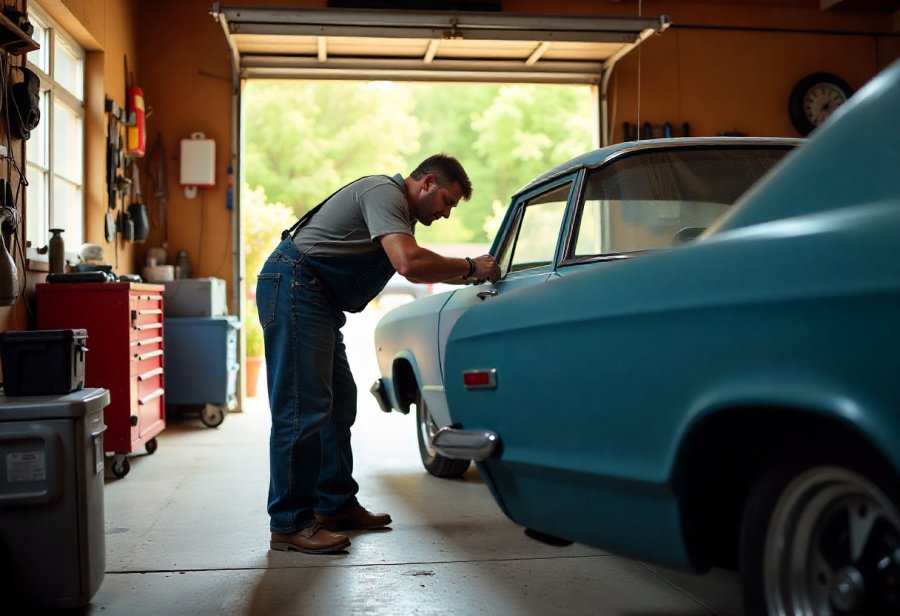
The backyard garage stands as more than just a workspace; it’s a reflection of dedication, patience, and the pursuit of mastery. Every project, whether small tweaks or ambitious restorations, deepens the bond between the mechanic and their vintage machine. These spaces are more than physical environments—they embody a mindset of continuous growth, where each bolt tightened and each part restored adds to a legacy of skill and passion.
Maintaining that enthusiasm requires nurturing a sense of curiosity and a willingness to learn. Every challenge faced in the garage is an opportunity to improve, pushing boundaries and discovering new techniques. The more effort invested, the more the space transforms into a personal classroom, guiding the enthusiast toward greater craftsmanship. This ongoing process of learning and experimenting is what keeps the passion alive and projects exciting.
Community plays a vital role in sustaining motivation. Sharing progress, exchanging advice, and celebrating successes with fellow enthusiasts—whether online or in person—creates a sense of belonging. These connections remind us that backyard restoration isn’t a solo journey but part of a larger culture rooted in shared knowledge and love for the craft. They inspire new ideas, foster encouragement, and reinforce the value of patience and perseverance.
Technological innovations continue to expand what’s achievable within the home garage. Digital diagnostics, laser alignment tools, and even 3D printing open new doors for precision and creativity. Embracing these tools, while respecting traditional techniques, allows hobbyists to produce professional-quality results at home. This blend of old and new keeps the hobby vibrant, ensuring that each project is both a personal achievement and a step forward in craftsmanship.
The true power of the backyard garage lies in its ability to nurture passion over time. It’s a space where patience replaces haste, and mistakes become lessons. Every success boosts confidence and encourages pushing further, turning routine repairs into acts of craftsmanship. As skills grow, the garage evolves along with its owner, remaining a dynamic environment for innovation and personal growth.
Encouraging ongoing passion means recognizing that mastery isn’t a destination but a journey. Each project adds layers of experience, and each setback offers a chance to learn. Celebrating small victories along the way keeps motivation high, fueling the desire to take on more complex challenges. This mindset transforms the garage from a simple workshop into a lifelong pursuit of excellence.
In the end, the backyard garage is a sanctuary of growth and pride. It’s where patience, curiosity, and love for vintage cars converge, creating a space that inspires both beginners and seasoned enthusiasts. By staying connected to the community, embracing new tools, and valuing the process as much as the result, hobbyists ensure that their passion endures. The garage becomes a legacy—an ongoing story of mastery, innovation, and the joy of craftsmanship.