




Nylon, a staple of modern life, offers unmatched durability and versatility in countless products—from clothing to industrial components—but at what hidden cost? Derived from fossil fuels through energy-intensive processes, its production emits significant greenhouse gases and produces hazardous waste, contributing heavily to environmental degradation. As nylon fibers shed during washing, they release microplastics that infiltrate oceans and enter the food chain, threatening marine life and human health. Long-lasting in landfills, nylon persists for centuries, slowly fragmenting into microplastics that contaminate ecosystems worldwide. Despite emerging innovations like bio-based nylons and recycling technologies, the path to sustainability remains complex. Are we truly aware of the ecological toll behind our convenience, or are we blind to the silent crisis unfolding in every synthetic fiber? Navigating this paradox invites urgent questions about the future of materials and our role in reshaping a more sustainable world.

Unveiling Nylon’s Hidden Environmental Toll
Nylon is one of the most familiar synthetic materials in our daily lives, found in everything from the clothes we wear and the carpets under our feet to the gear we use for outdoor adventures. Its durability, affordability, and versatility have made it a staple across countless industries, often blending seamlessly into the background of modern life. We rarely stop to consider the journey that brought nylon into our homes or the environmental toll it carries along the way.
Behind this convenience lies a complex process rooted in the extraction and transformation of fossil fuels. Nylon’s production begins with oil and natural gas, which are refined into basic chemicals like diamines and dicarboxylic acids. These serve as the building blocks for its synthesis. High-temperature chemical reactions link these molecules into long, chain-like polymers that give nylon its renowned strength and flexibility. This process is energy-intensive and produces chemical waste, some of which can be hazardous if not carefully managed, adding to its environmental footprint from the very start.
Once formed, nylon polymers are spun into fibers or molded into plastics, ready to be woven into textiles or shaped into products. The manufacturing process relies heavily on fossil fuels, not only for raw materials but also for the energy required to create fibers and plastics. This dependency means that nylon production contributes significantly to greenhouse gas emissions and resource depletion. Moreover, the chemical byproducts generated during synthesis can pose risks to local ecosystems if waste management practices are inadequate.
Despite its many benefits, nylon’s resilience comes with a long-lasting environmental impact. Unlike biodegradable materials, nylon persists in landfills for hundreds of years, slowly fragmenting into microplastics. These tiny particles hitch rides on wind and water, contaminating soils and waterways and entering the food chain. Microplastic pollution from nylon has become a silent yet pervasive problem, especially as fibers shed from clothing during washing are released into wastewater systems and often escape filtration, ending up in oceans and harming marine life.
The chemical composition of nylon adds another layer to its environmental concerns. Residual monomers, additives, and processing chemicals can leach into soil and water during manufacturing, use, and disposal. These substances may be toxic, threatening wildlife and human health alike. The complexity of nylon’s environmental footprint—ranging from microplastics to chemical pollution—underscores the urgent need for alternatives and better management practices.
As awareness of nylon’s ecological costs grows, so does the search for more sustainable options. Researchers are developing bio-based nylons made from renewable resources like plant sugars, which promise easier biodegradability. Recycling technologies are also advancing, turning waste textiles and industrial byproducts into new raw materials. Some companies are adopting circular models, designing products that can be recycled repeatedly to reduce reliance on virgin resources. These innovations are vital steps toward aligning our material use with environmental health, but widespread change depends on collective effort from consumers, industries, and policymakers alike.
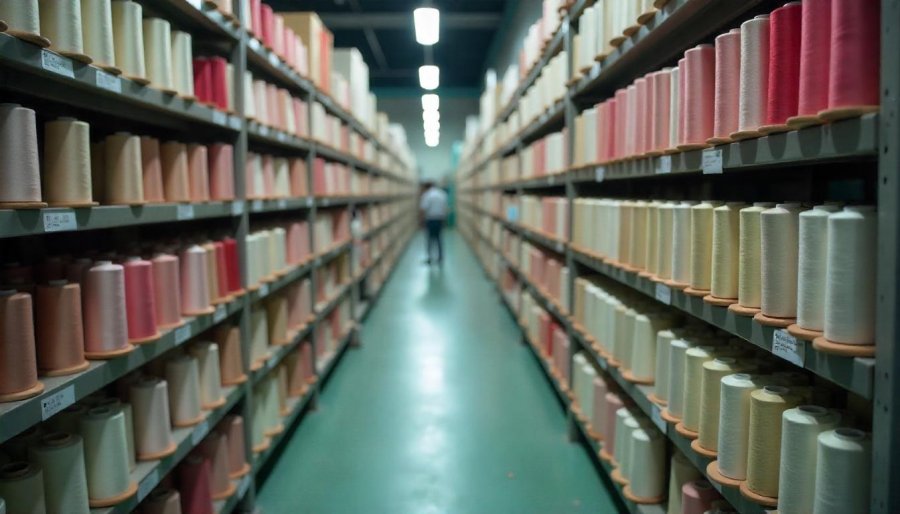
Decoding Nylon: From Petrochemicals to Polymers
Nylon is a type of polyamide, a synthetic polymer formed through precise chemical reactions that link small molecules into long, durable chains. Its creation begins with the extraction of petrochemicals from oil and natural gas, which are then refined into basic chemicals like ethylene, benzene, and other aromatic compounds. These serve as the raw materials for synthesizing the monomers needed for nylon production.
The key building blocks for nylon are diamines and dicarboxylic acids. Common examples include hexamethylenediamine and adipic acid. When these chemicals are combined, they undergo polymerization—a chemical process where small molecules join into extensive chains—forming nylon polymers. This reaction requires high temperatures, pressure, and catalysts to ensure the chains develop correctly and efficiently. Each step relies heavily on fossil fuels, making the process energy-intensive and contributing significantly to greenhouse gas emissions.
Once the monomers are prepared, they are subjected to polymerization, a process that joins them into long, chain-like molecules. This typically occurs at elevated temperatures and pressures, releasing chemical byproducts that can be hazardous if not properly managed. The resulting nylon polymer is then cooled and solidified into pellets or filaments, ready to be spun into fibers or molded into plastics. The fiber-spinning process involves melting the polymer and extruding it through tiny nozzles to produce fine filaments, which are then stretched to improve strength and durability.
Throughout this production chain, reliance on fossil fuels remains constant. From raw material extraction to chemical synthesis and fiber creation, each phase consumes substantial energy and generates waste, including hazardous chemicals. These waste products, if mishandled, pose risks to local ecosystems and communities, contaminating soil, water, and air. This dependency on non-renewable resources highlights the environmental cost embedded in nylon’s manufacturing process.
The chemical composition of nylon adds further complexity to its environmental footprint. Residual monomers, additives, and processing chemicals can leach into the environment during manufacturing, use, and disposal. Some of these substances are toxic and can contaminate water sources or soil, affecting wildlife and human health. The presence of such chemicals underscores the layered impact of nylon, extending beyond mere physical waste to chemical pollution that persists over time.
Understanding the pathways of nylon’s production reveals the extent of its reliance on fossil fuels and energy. Every stage—from refining raw materials to polymerization and fiber spinning—draws heavily on non-renewable resources, contributing to climate change and resource depletion. Recognizing these links emphasizes the importance of shifting toward more sustainable practices and materials that can reduce environmental harm without sacrificing the benefits nylon offers.
Research into bio-based nylons offers promising alternatives. These are made from renewable plant sugars and other bio-derived sources, designed to biodegrade more readily than traditional nylon. Advances in recycling technologies are also transforming how we handle nylon waste, turning discarded textiles and industrial byproducts into new raw materials. Such innovations aim to create a circular economy where nylon’s lifecycle is extended, and its environmental impact minimized.
Ultimately, rethinking nylon’s foundations involves not just technological change but a broader shift in our approach to materials and consumption. By understanding the chemical and energetic pathways that sustain its production, we can better advocate for and adopt sustainable alternatives. Moving away from fossil fuel dependence and embracing circular models are crucial steps toward reducing nylon’s environmental footprint and fostering a more resilient, eco-friendly future.
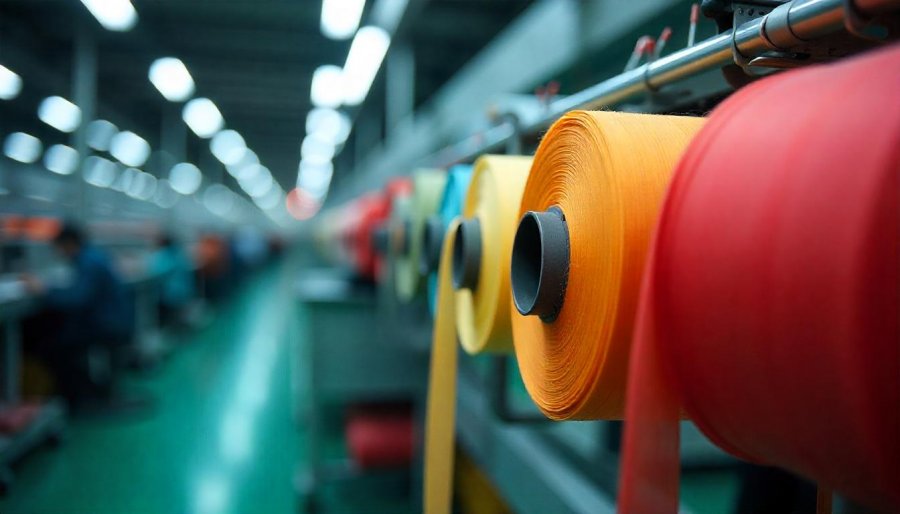
Nylon Today: The Double-Edged Sword of Modern Use
Nylon remains one of the most common synthetic fibers in our modern world, woven into everything from our clothing and outdoor gear to industrial components. Its durability and low cost make it a go-to material for countless applications, ensuring its presence in daily life is virtually unavoidable. Yet, as its popularity grows, so does the awareness of the environmental costs tied to its production and use.
A significant concern today is microplastic pollution. When we wash nylon garments, tiny fibers are released into wastewater systems. These microfibers are often so small that they bypass filtration at treatment plants and end up in oceans and rivers. Marine creatures mistake these fibers for food, leading to injuries, chemical exposures, and disruptions in marine ecosystems. Over time, these microplastics accumulate, infiltrating the food chain and posing risks to human health through seafood consumption.
Nylon’s reliance on fossil fuels doesn’t end at raw material extraction. Its manufacturing process is energy-intensive, requiring vast amounts of oil and natural gas not only to produce the base chemicals but also to power the chemical reactions and fiber spinning operations. This dependence contributes significantly to greenhouse gas emissions, accelerating climate change. Regions with lax environmental regulations often see higher levels of chemical waste and air pollution, further damaging local ecosystems and communities.
Once discarded, nylon products can persist in landfills for centuries. Unlike biodegradable materials, they slowly fragment into microplastics that travel through soil and waterways, contaminating ecosystems far beyond their original disposal sites. This long-lasting waste adds to the mounting global plastic pollution crisis, impacting wildlife and disrupting natural habitats in ways that are difficult to reverse.
Chemical pollution from nylon production and disposal compounds these issues. Residual monomers, plasticizers, and other additives can leach into the environment during manufacturing and after disposal. These substances are often toxic, contaminating soil and water and threatening both wildlife and human health. The chemical footprint of nylon is layered and persistent, extending well beyond physical waste.
Despite these challenges, efforts to reduce nylon’s environmental impact are gaining momentum. Researchers are developing bio-based nylons derived from renewable resources like plant sugars, which promise to biodegrade more readily than traditional nylon. Meanwhile, advances in recycling technology enable better reuse of nylon waste, transforming old textiles and industrial scraps into new raw materials. Some companies are adopting circular models, designing products that can be recycled repeatedly, reducing reliance on virgin fossil fuels and decreasing waste.
Addressing nylon’s environmental footprint requires collective action. Governments can implement stricter regulations on chemical waste and promote recycling programs. Industries can invest in sustainable materials and design for recyclability. Consumers play a vital role by choosing products made from recycled or bio-based nylons and supporting brands committed to sustainability. Each of us, knowingly or not, influences the demand and the direction of future innovation.
As the world grapples with mounting plastic pollution and climate concerns, understanding the current state of nylon use highlights the urgency of change. Transitioning toward more sustainable materials and practices isn’t just an environmental imperative—it’s essential for preserving the health of our planet. Recognizing nylon’s pervasive role in our lives, coupled with its significant ecological costs, can inspire smarter choices and innovative solutions that balance convenience with conservation.